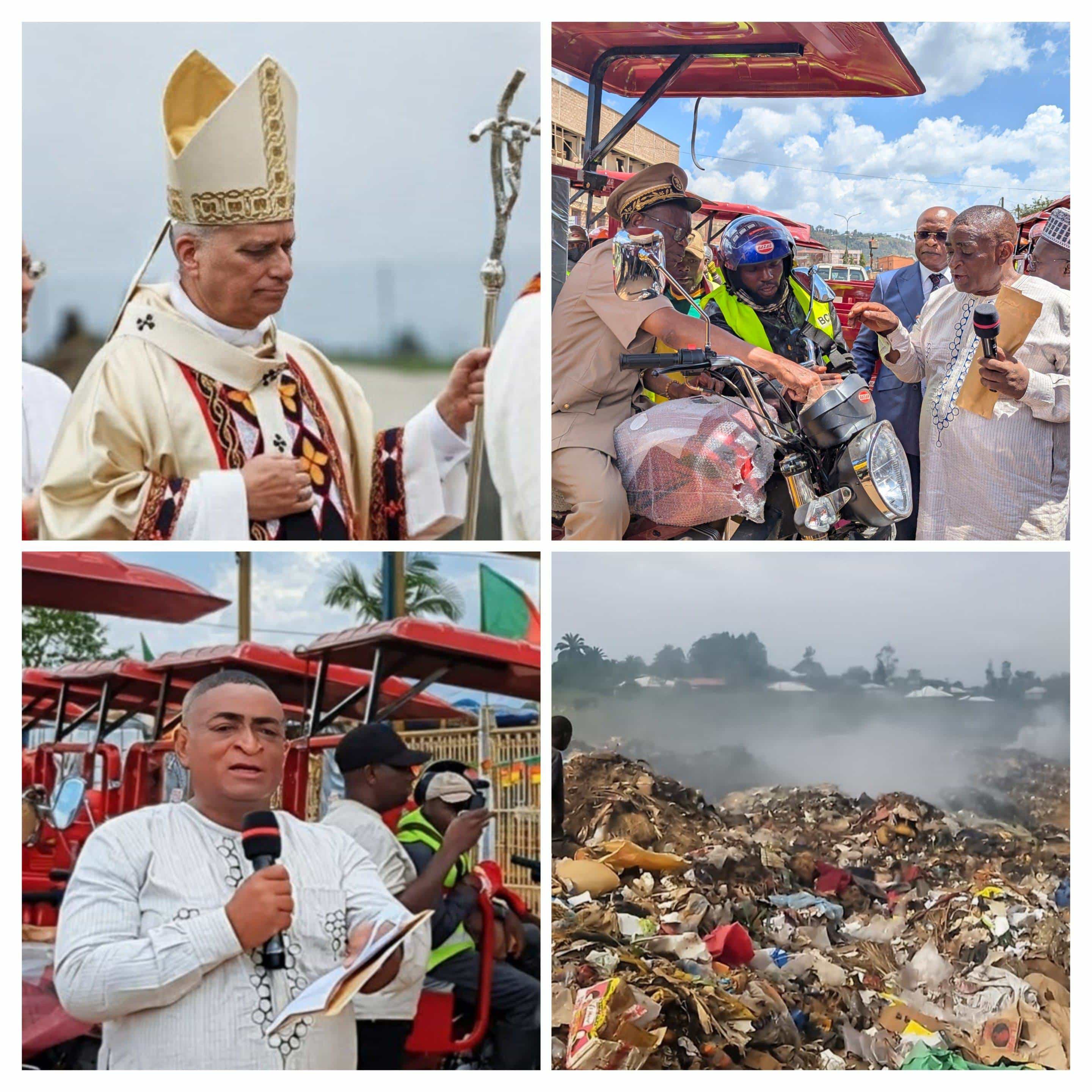
Bamenda Got 25 Tricycles. What It Needs is a System
As Bamenda prepared to welcome Pope Leo XIV, a government donation of waste collection tricycles offered relief yet exposed a deeper crisis of how a climate vulnerable city still has no proper plan for its rubbish.
⏱ 3-Minute Read
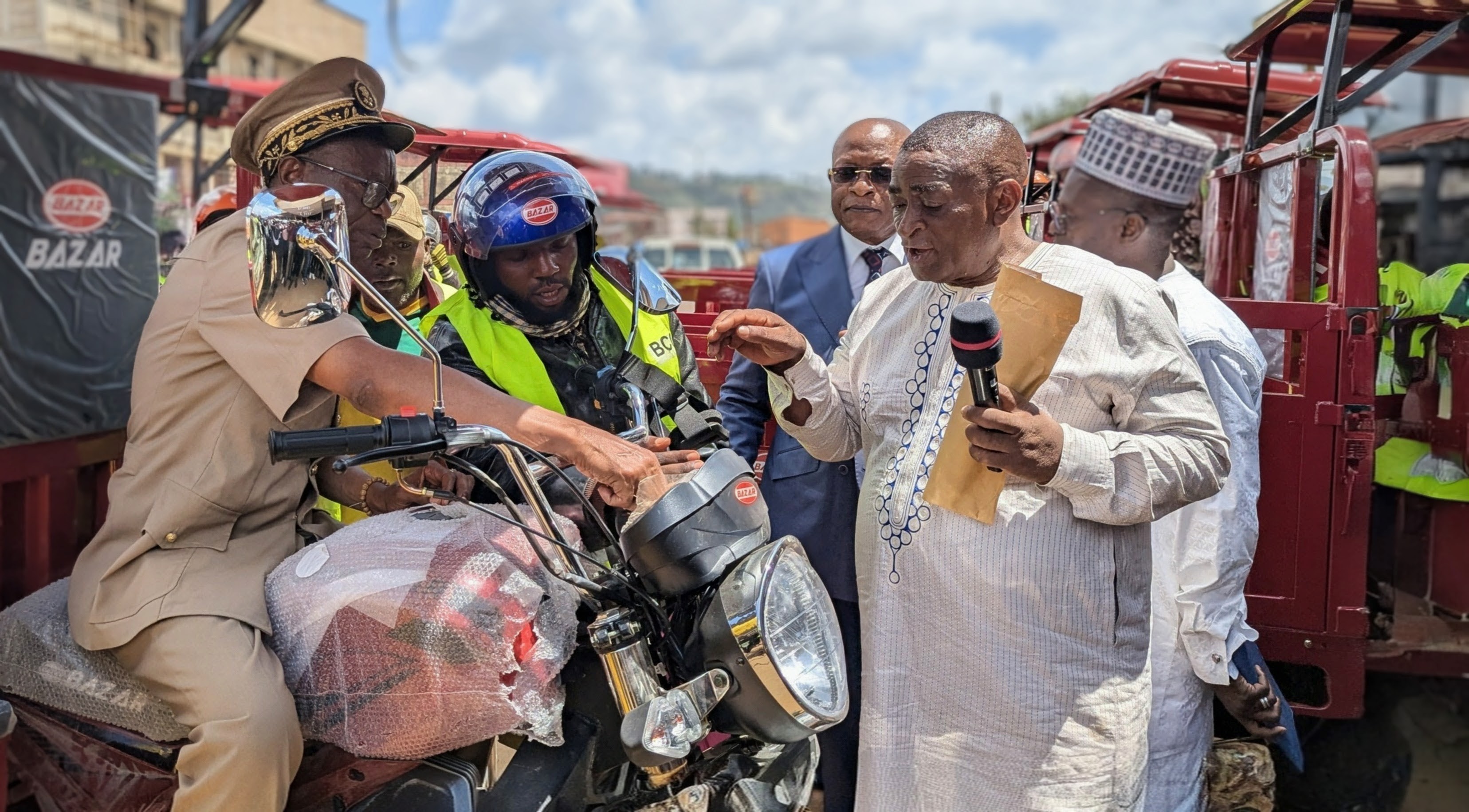
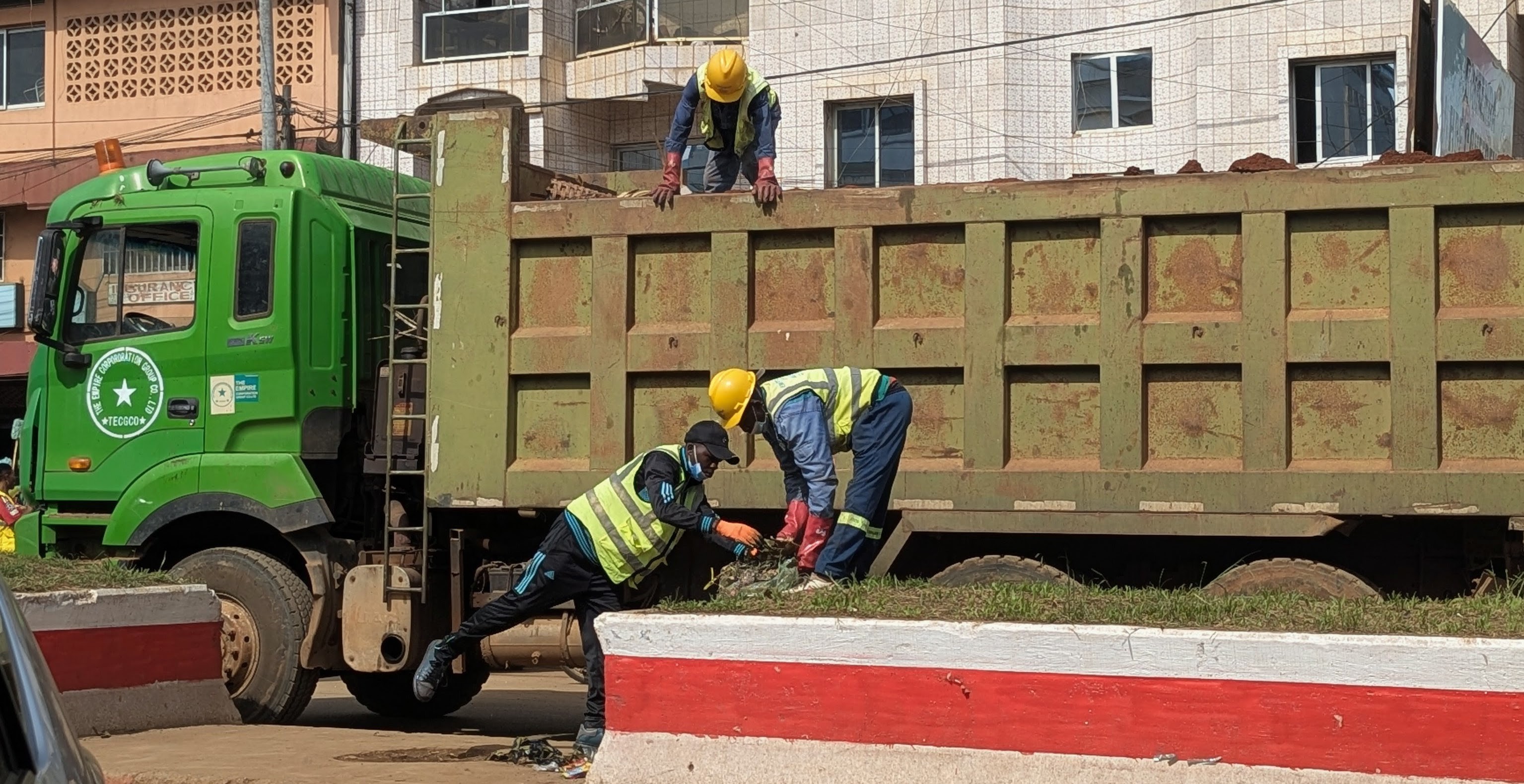
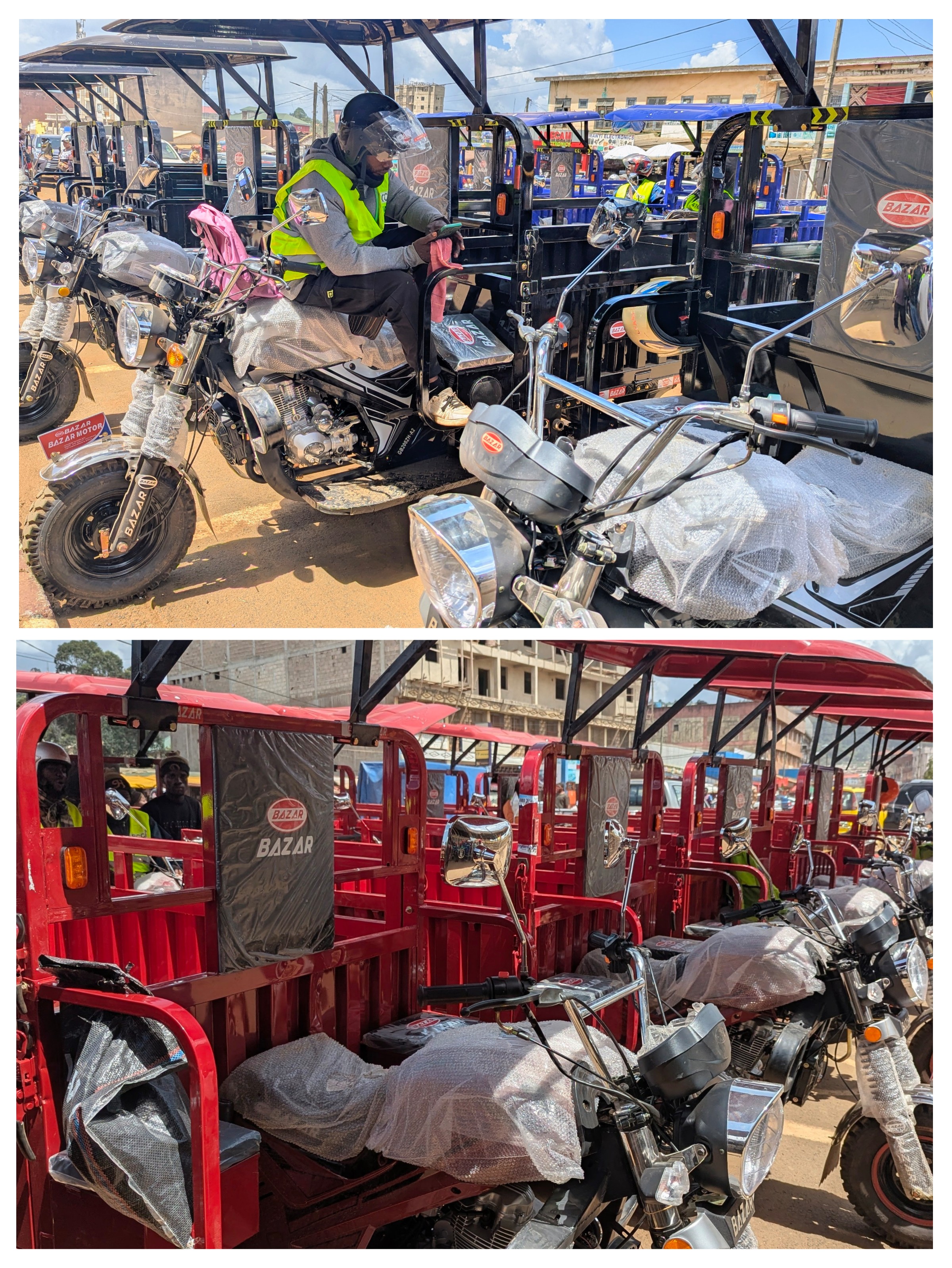
On the 14th of April 2026, Twenty-five tricycles, donated by the Presidential Plan for Reconstruction and Development (PPRD), rolled into the city ahead of the historic visit of Pope Leo XIV. The handover, officiated by the Governor of the North West Region, His Excellency Adolf Lele L'Afrique, was welcomed with relief by city leaders.
But behind the applause lies a harder question: in a city already battered by years of crisis and sitting on the front line of Africa's climate emergency, is a few dozen tricycles really the answer to Bamenda's waste problem?
A City Long Overdue for Clean Streets
Bamenda has always been a city of community spirit and hospitality. But a walk through its streets today tells a different story one of overflowing gutters, uncollected household waste, and a sanitation system struggling to keep pace with its growing population. The ongoing crisis in the North West Region has made things dramatically worse. Buinna Godlove, the Regional Representative of the PPRD, acknowledged this openly at the handover ceremony.
"Because of the crisis, Bamenda retrogressed in terms of her sanitation. Therefore, in the wisdom of the PPRD hierarchy, they thought it important for us to have these 25 tricycles for the city to be kept clean."
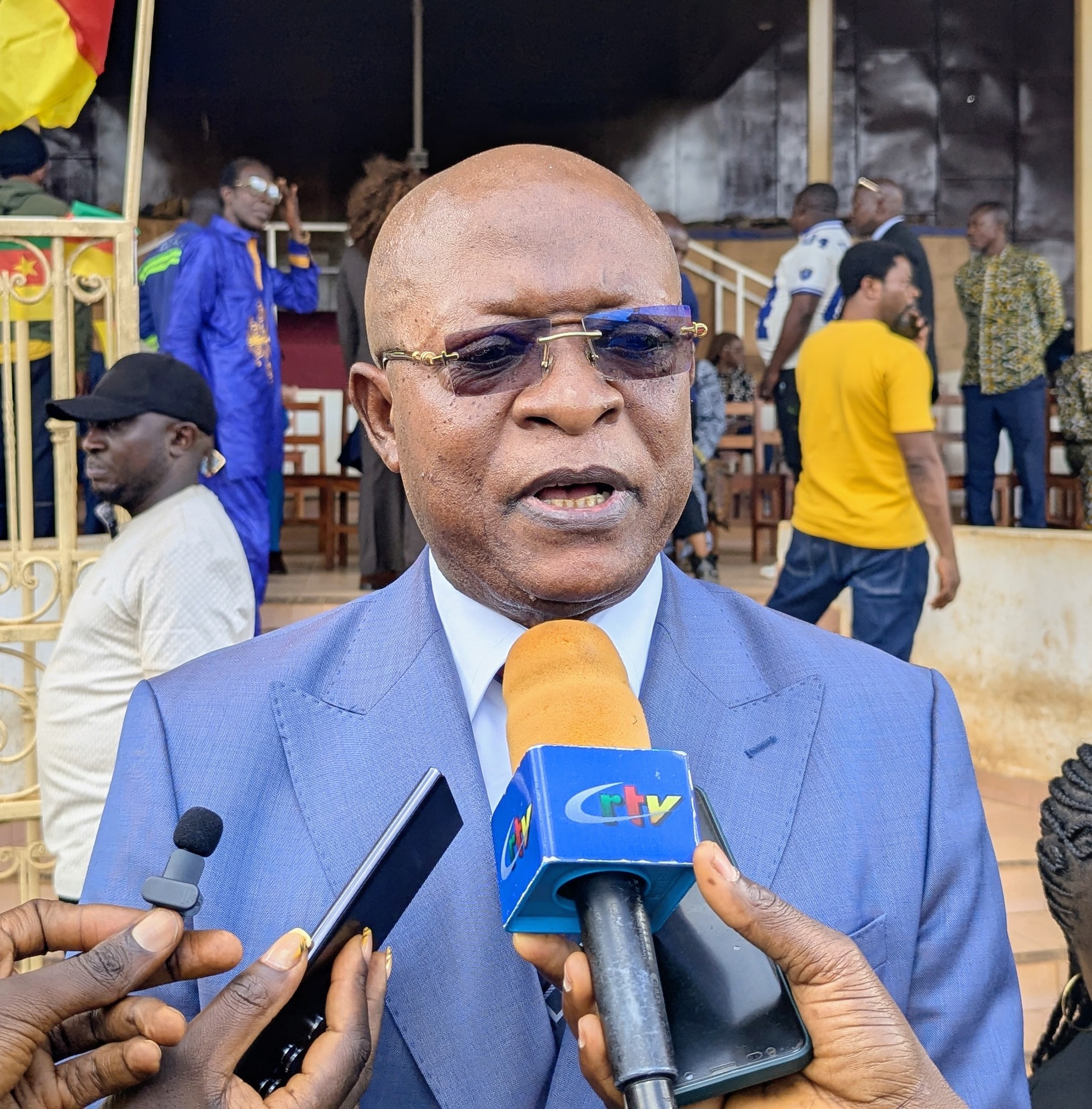
Buinna Godlove, PPRD Regional Representative, North West
The tricycles will be distributed across the three council sub-divisions seven each with four reserved for central operations.
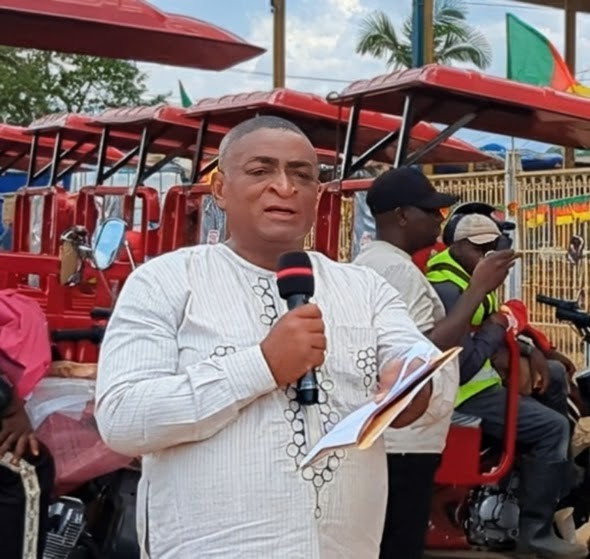
City Mayor Achobong Paul explained that the plan is to collect waste at source, sort biodegradable from non-biodegradable waste, and then transport it to designated dump sites. It is, by any measure, a step forward ?
The Climate Link Nobody Is Talking About
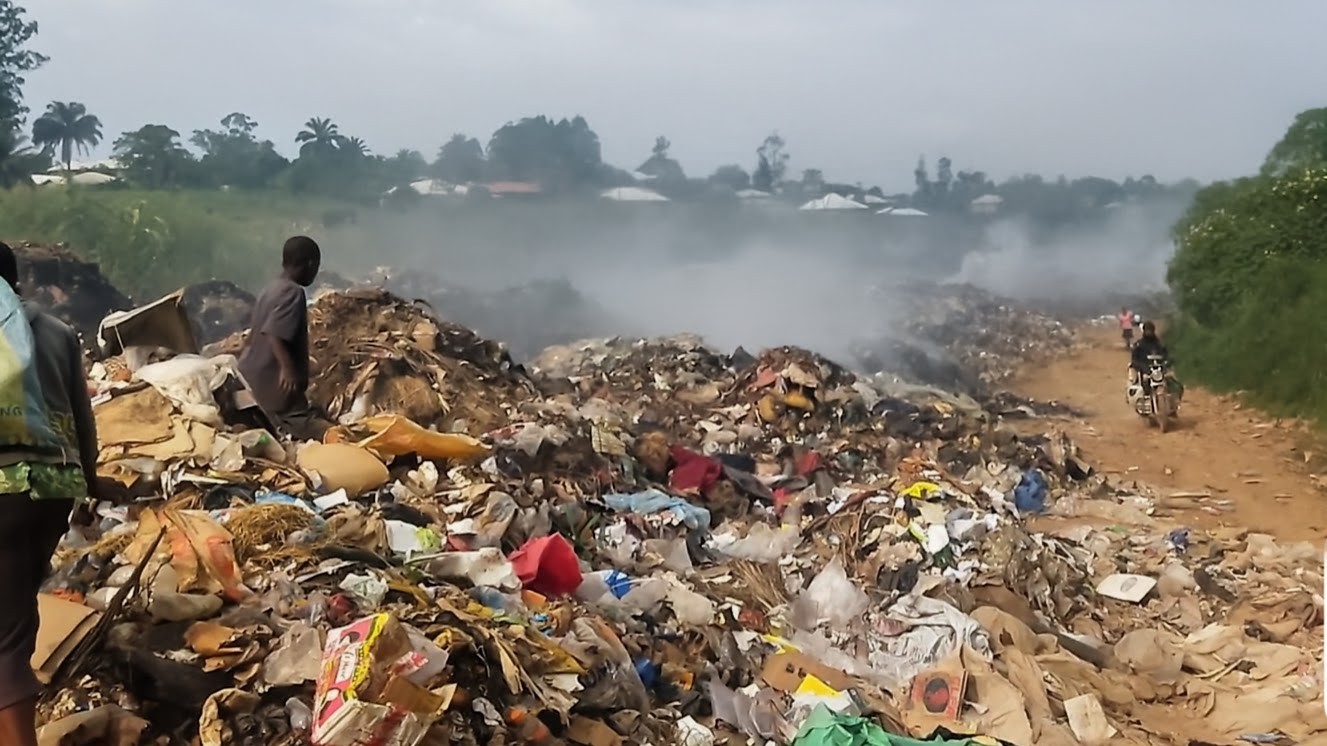
What is often missing from conversations about dirty streets is the bigger picture: waste pollution is not just an eyesore it is a climate problem. When household waste is burned in open air a common sight in Bamenda; it releases carbon dioxide and methane, greenhouse gases that drive the same climate change making our rainy seasons more unpredictable and our dry seasons harsher.
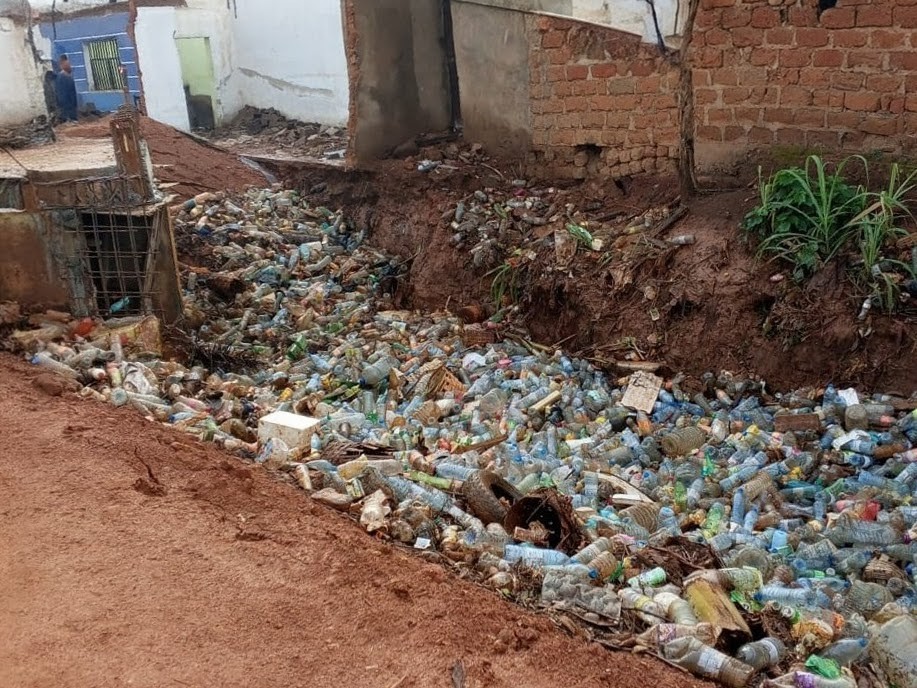
Clogged drains from dumped waste worsen flooding during heavy rains, a growing threat as climate patterns shift across central Africa. In short, Bamenda's garbage problem is also Bamenda's climate problem.
The Woman Waiting for the Waste Truck
But no data captures the daily frustration better than the words of a resident on Commercial Avenue, who spoke to our reporter about what it actually means to live under the current system:
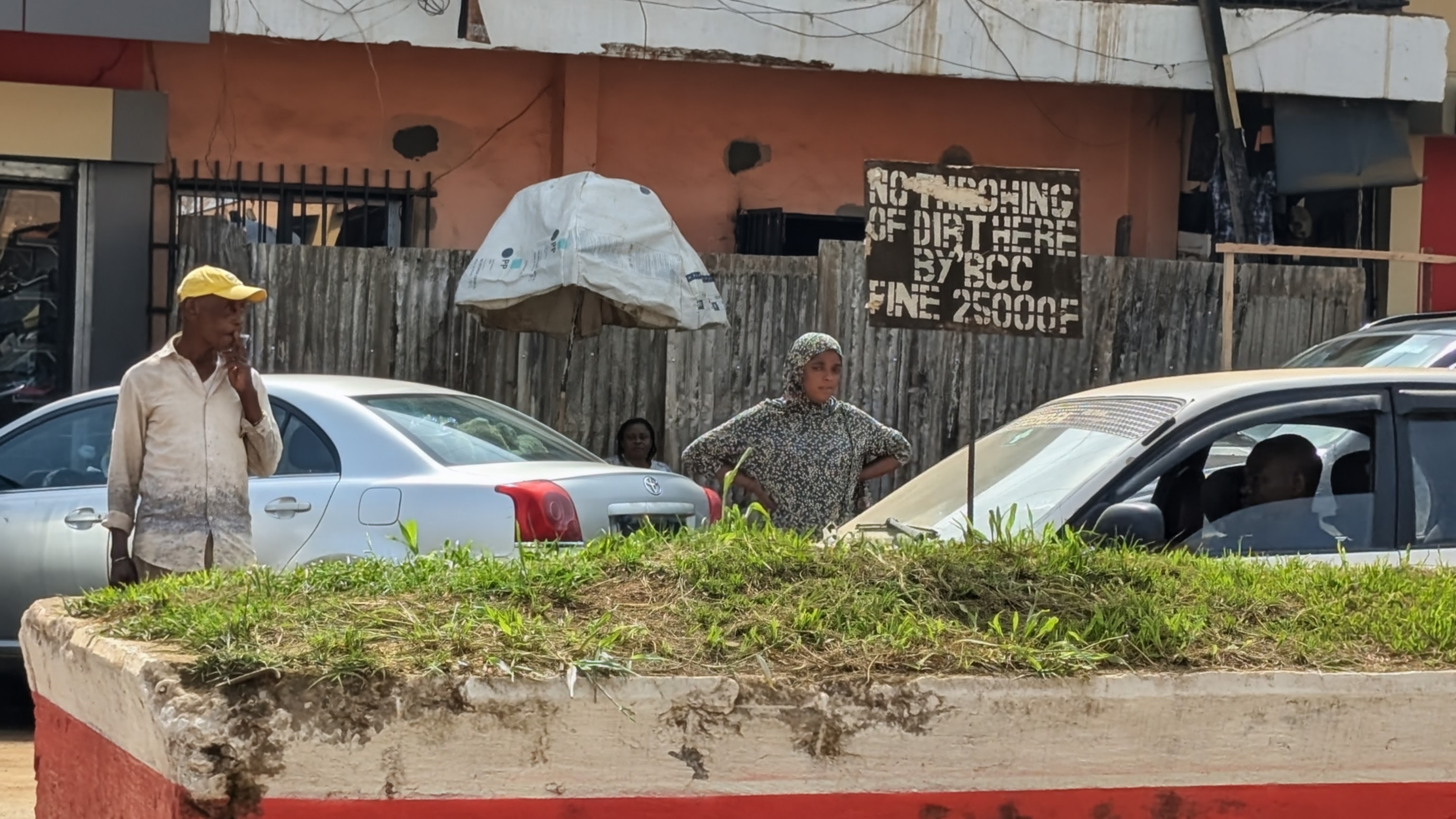
"So we should not go to work or to our business on time because we are waiting for a waste truck? There is no specific time they pass sometimes we guess around 8 to 11am on some days. Can you tell your boss you are coming in at 11:30am because you had to wait for the rubbish truck?"
Her frustration speaks for thousands. The city currently asks residents to hold their household waste and hand it directly to a passing truck with no fixed schedule, no designated community bins, and no system for those who leave early for market or work. For a city of Bamenda's size, this is not a waste management system. It is waste disposal and there is a critical difference.
What a Real System Could Look Like for Bamenda
Across the world, cities facing similar challenges have built practical, low-cost systems that work. Bamenda does not need to copy them exactly but it can borrow their logic.
International Models which could be Adapted for Bamenda
Kigali, Rwanda Every household pays a small monthly fee for waste collection. Community youth groups are hired as collectors, creating jobs and clean streets. For Bamenda: Local youth associations in each quarter could be formally contracted and paid through a small city levy.
Pune, India Door-to-door waste collection with a fixed, published daily schedule per zone. Residents know exactly when to bring out their bins. For Bamenda: A simple schedule per neighbourhood could be communicated through local Radios and online platforms like Whatsapp no app needed, no technology barrier.
Accra, Ghana Community waste collection points large containers placed at the entrance of each quarter allow residents to drop waste any time, collected twice weekly. For Bamenda: Fixed communal collection points at major junctions, emptied on a regular route by the new tricycles.
Dakar, Senegal Source separation of biodegradable waste, which is composted and sold to farmers. For Bamenda: Given the city's strong farming connections, a compost programme could turn organic kitchen waste into a resource for local agriculture, not a burden.
Gifts Are Good, Systems Are Better.
The 25 tricycles are genuinely welcome and the Bamenda City Mayor deserves credit for thinking ahead about sorting waste at source and establishing dump sites. But the Governor's own words carried an important caveat: this donation was timed to clean the city for the Pope's arrival. What happens after the Pope leaves? A city cannot run on occasions. It needs a system that works every single day, one with clear schedules, community involvement, affordable fees, and a plan that connects waste management to climate resilience.
By Bamenjo Petronilla
+237 671870116