From Bamenda to the Nation: Moves to Make Journalism Safer
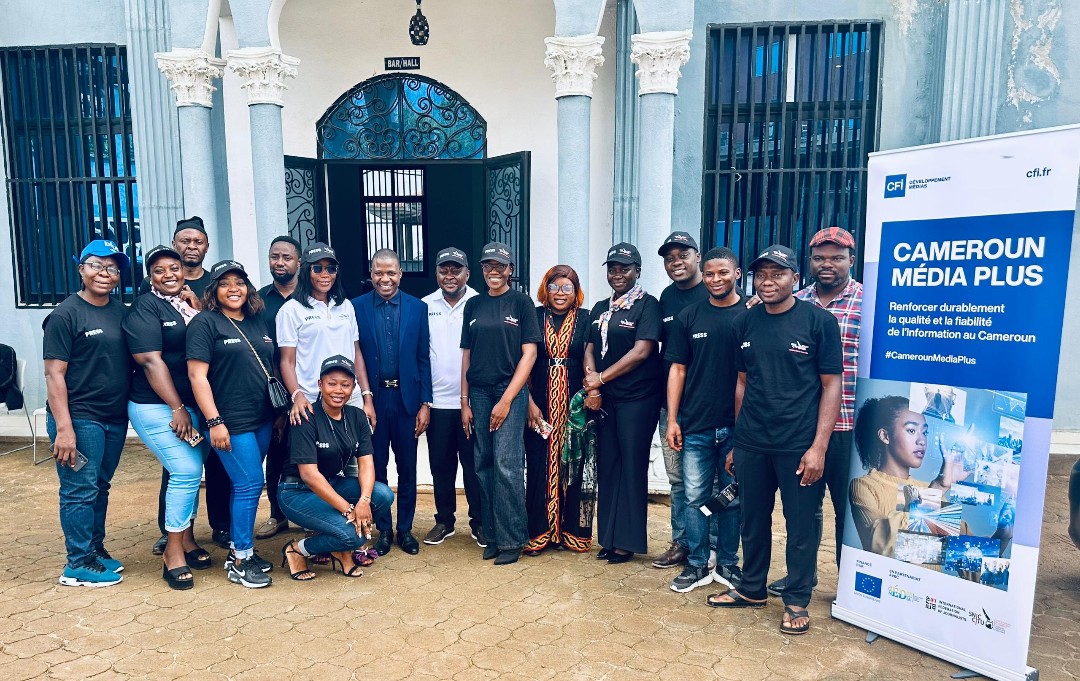
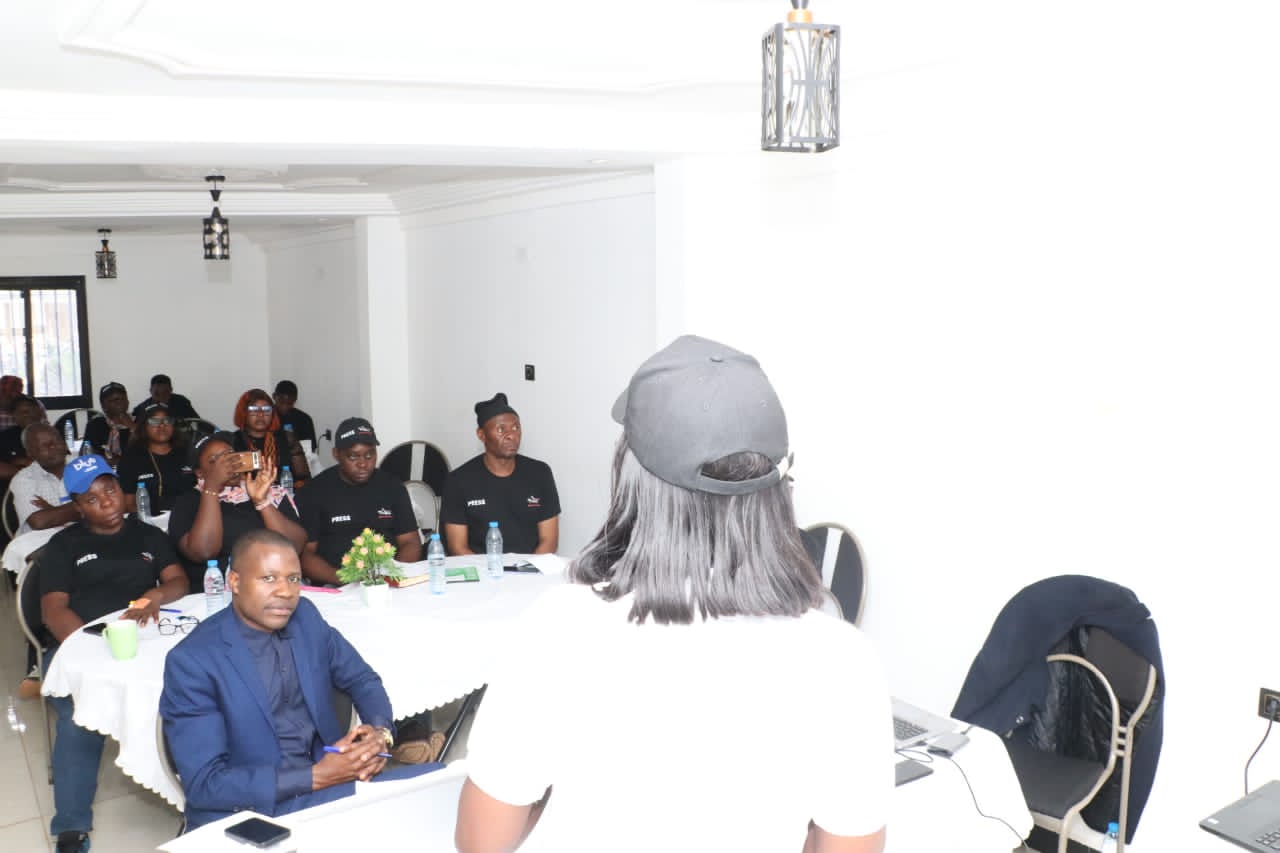
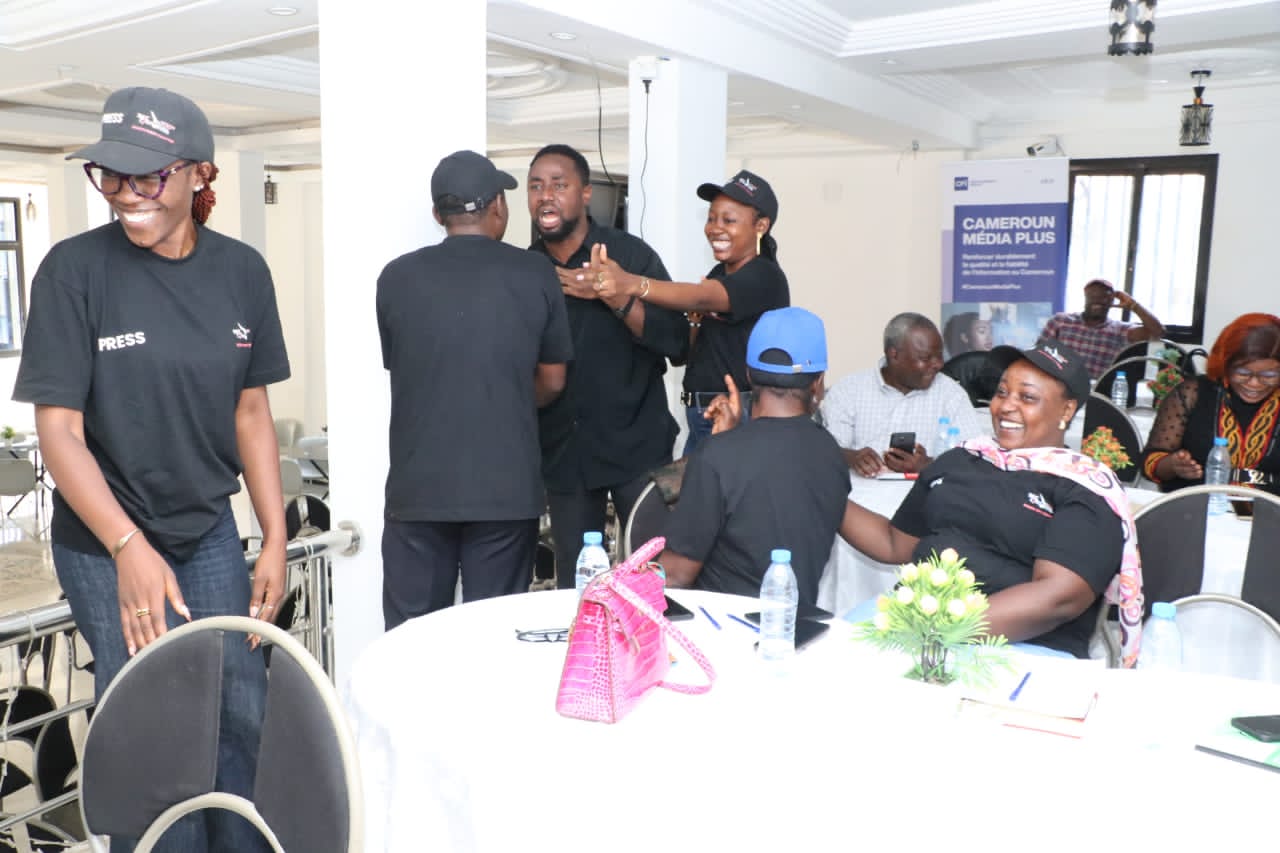
Fourteen journalists from the North West Region gathered at Upstation Bamenda on Wednesday, May 27, 2026.

For a full day, media professionals based in the region sat through practical lessons covering everything from how to move safely in the field to protecting their phones, their sources, and their mental health.
Journalists working in the North West Region have long operated in one of the most difficult environments for press freedom in Central Africa. Here, covering the news can sometimes mean putting yourself in harm's way.
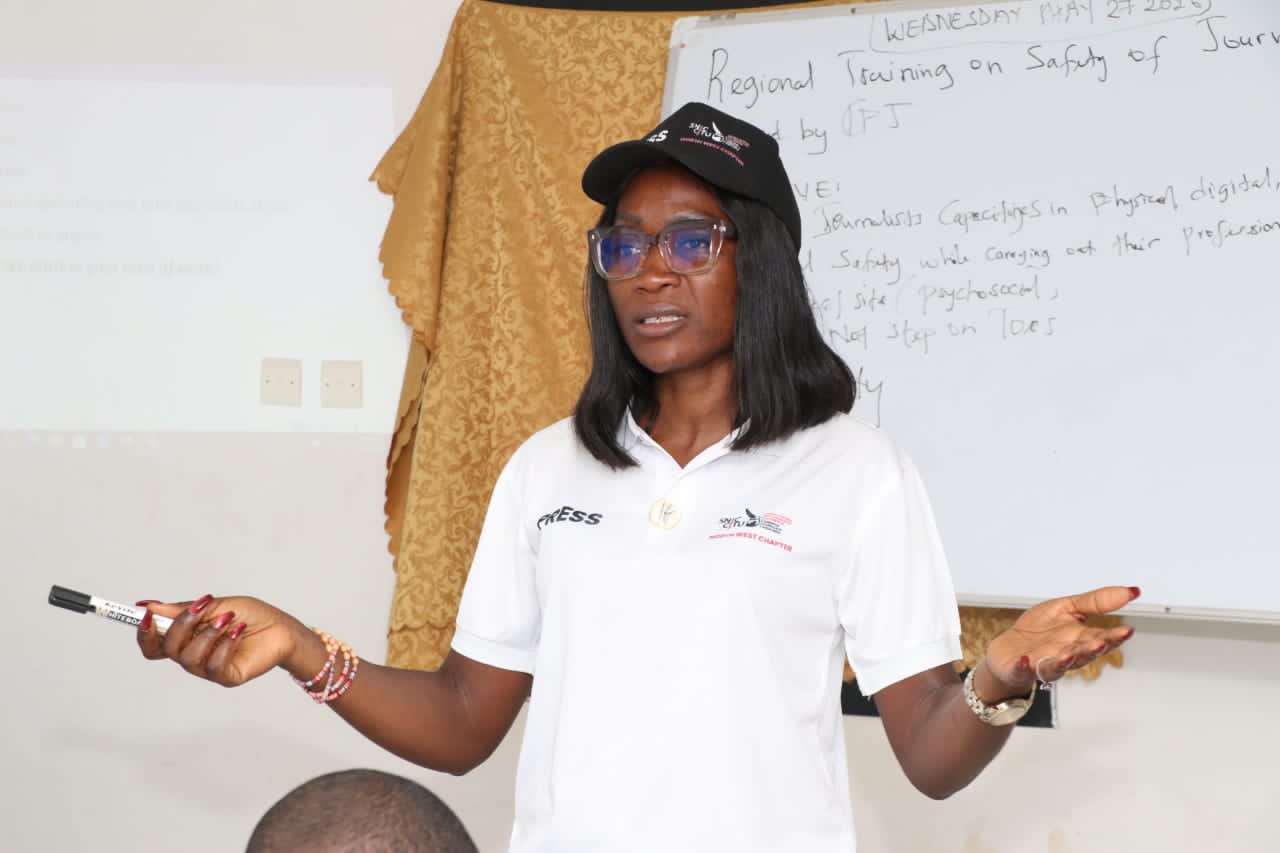
The day's sessions were facilitated by Ruth Che Wachong, President of the Cameroon Journalists Trade Union (CJTU) North West Chapter. Her message to participants was clear: safety is not an accident. It has to be planned.
Plan Before You Step Out the Door
One of the strongest takeaways from the training was the idea that safety work begins long before a journalist leaves the newsroom.
Participants were walked through a checklist of steps to take before any field assignment assessing the risk of where they are going, who they will meet, and how long they plan to be there. They were also encouraged to always have a buddy, someone who knows their movements and checks in with them regularly.
"You need to make a go or no-go decision before every assignment," Ruth Che Wachong told participants, stressing that no story is worth a life.
Other pre-field steps included mapping out routes and exit plans, preparing identification documents, and turning on screen locks, enabling two-factor authentication, and making sure software is up to date.
In the Field: Keep Your Head, Know Your Exits
Once out in the field, participants were taught to always stay aware of their surroundings keeping a safe distance from potential flashpoints, knowing where the exits are, and avoiding sharing their location on social media in real time.
They were also given guidance on de-escalation how to talk their way out of a tense situation rather than let it spiral and on how to handle evidence in a way that is both safe and legally sound.
After the Story: Don't Skip the Debrief
The training also addressed something that is often overlooked in newsrooms: what happens after the story is filed.
Participants were urged to debrief with a colleague or team after every difficult assignment, report any incidents that occurred, review what could be done better next time, and store their data securely.
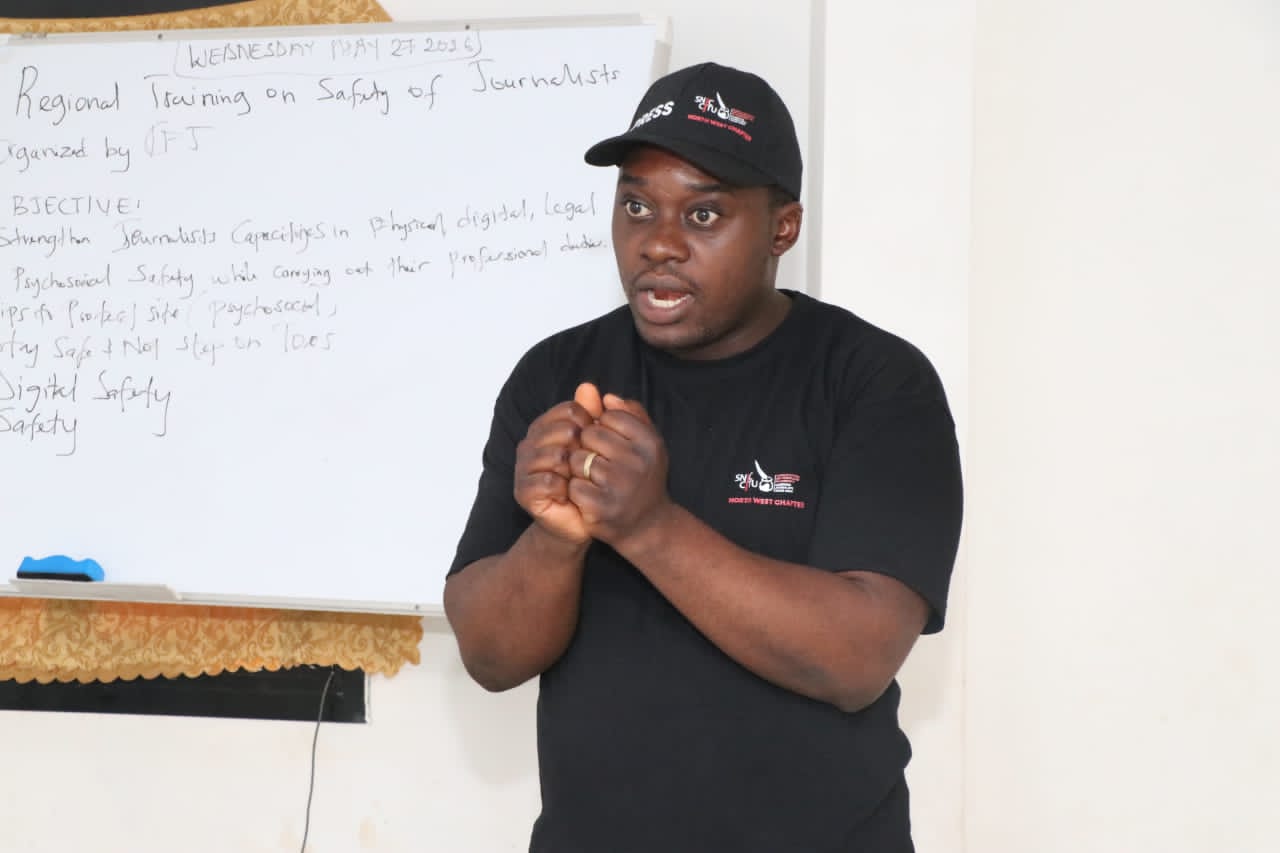
The psychosocial aspect of the training was particularly notable. Journalism can leave invisible scars, and the sessions made space for that reality
Part of a Bigger Plan
The Bamenda training is just the beginning. The Project Coordinator Yanick Bezang say the programme is planned for all ten regions of Cameroon, with the North West going first.
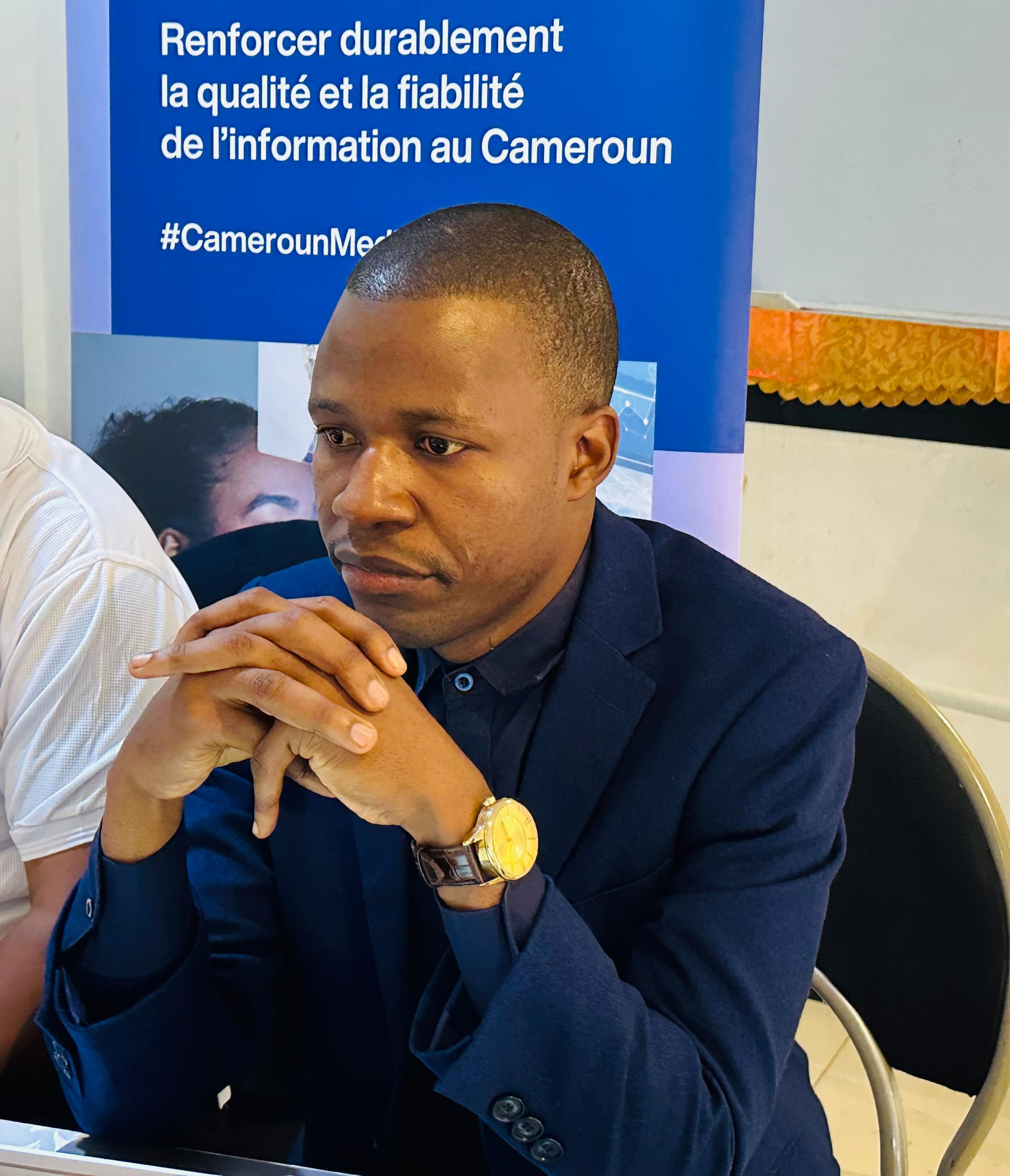
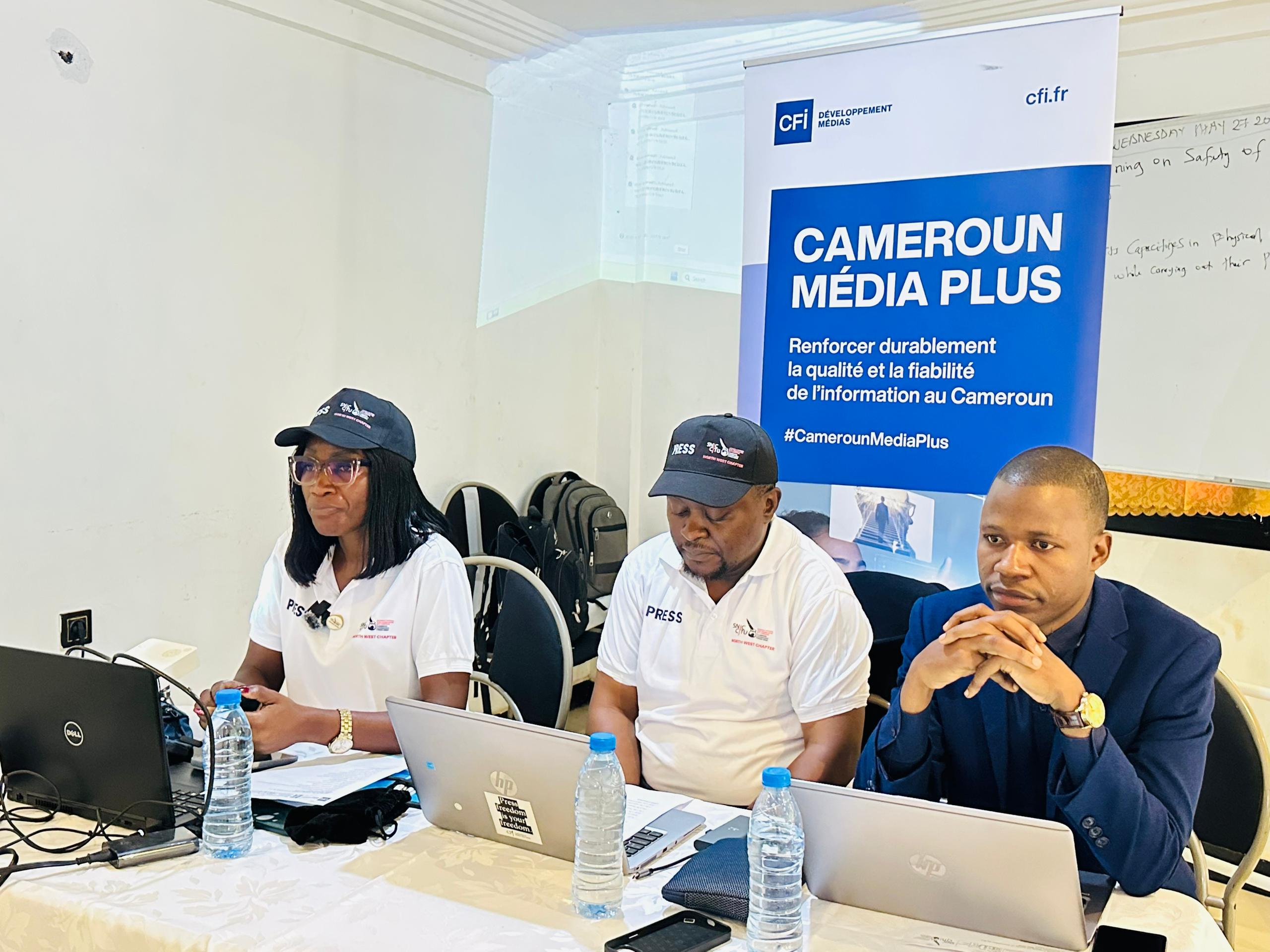
The initiative falls under the Cameroun Média Plus project, led by the International Federation of Journalists (IFJ) and funded by the European Union a partnership aimed at building a safer environment for media workers across the country.
With press freedom under pressure in many parts of Cameroon, those behind the project hope that equipping journalists with concrete safety skills will help them do their work and come home safely.
By Bamenjo Petronilla
Photo Credit :HILLTOPVOICES and Mboh Promise