They Used to Just Scroll. Now They're Trained to Spot a Predator.
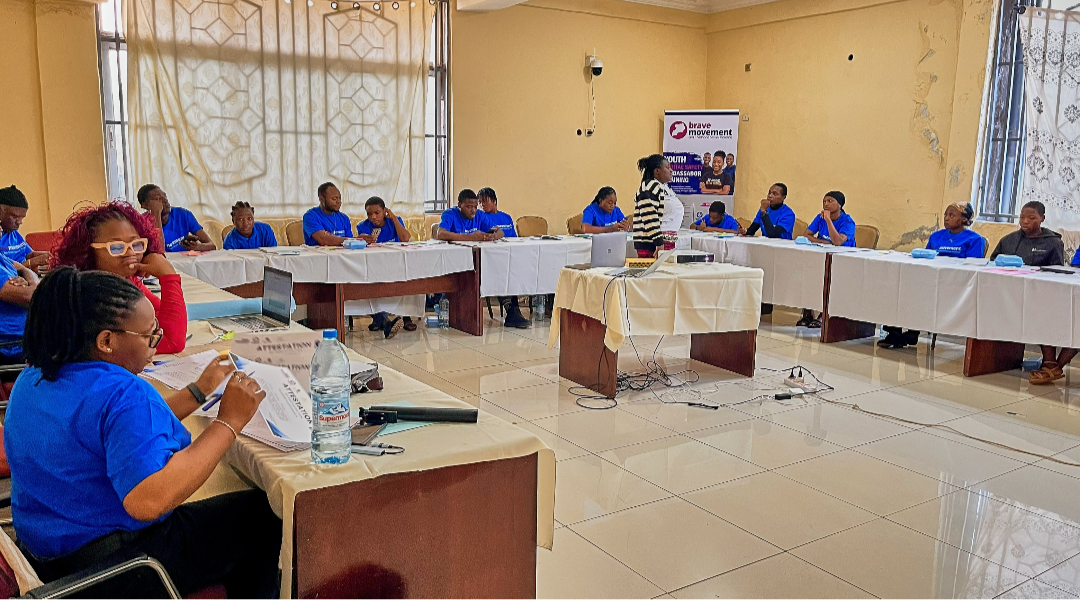
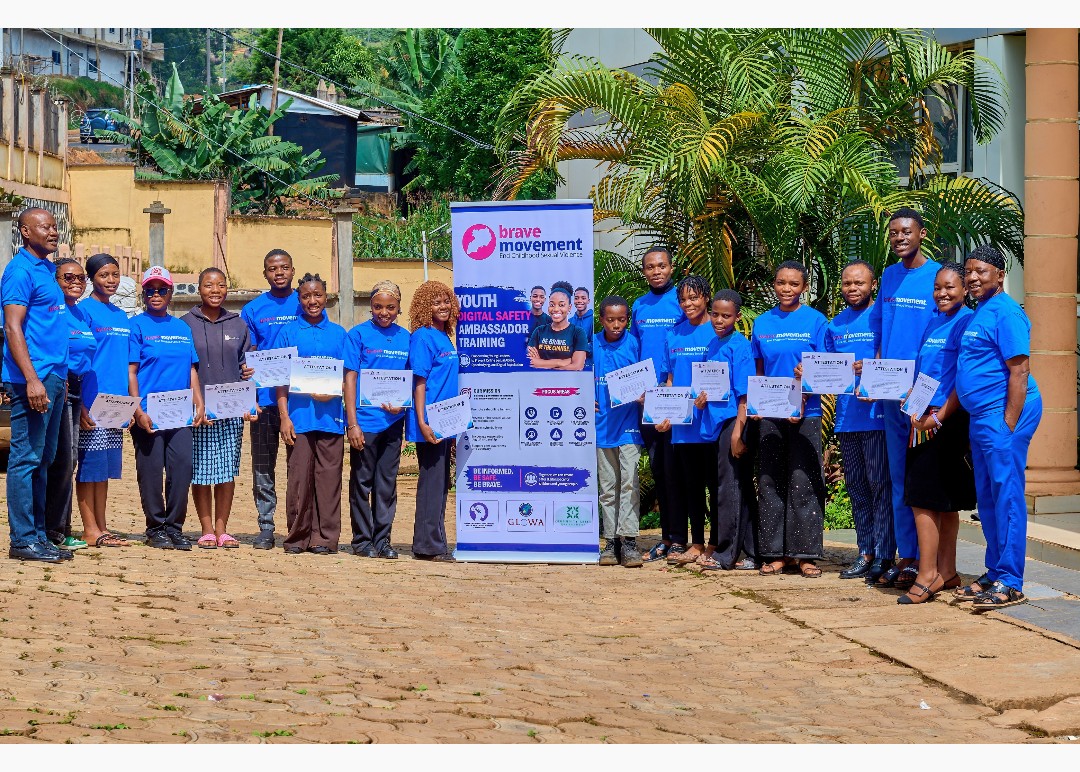
A group of teenagers sat Inside a training hall in Bamenda on Saturday, hunched over notes, not to prepare for an exam, but to learn how to spot the digital tricks predators use to lure children into sextortion, grooming and exploitation. By the end of the day, each of them carried a new title: Digital Safety Ambassador.
The July 4th training, organized under the banner of Brave Movement Cameroon, brought together adolescents from across Bamenda for a crash course on online survival skills. how to recognize grooming tactics, how to respond to cyberbullying, and how to help a friend who might already be trapped in an exploitative online relationship without knowing it.
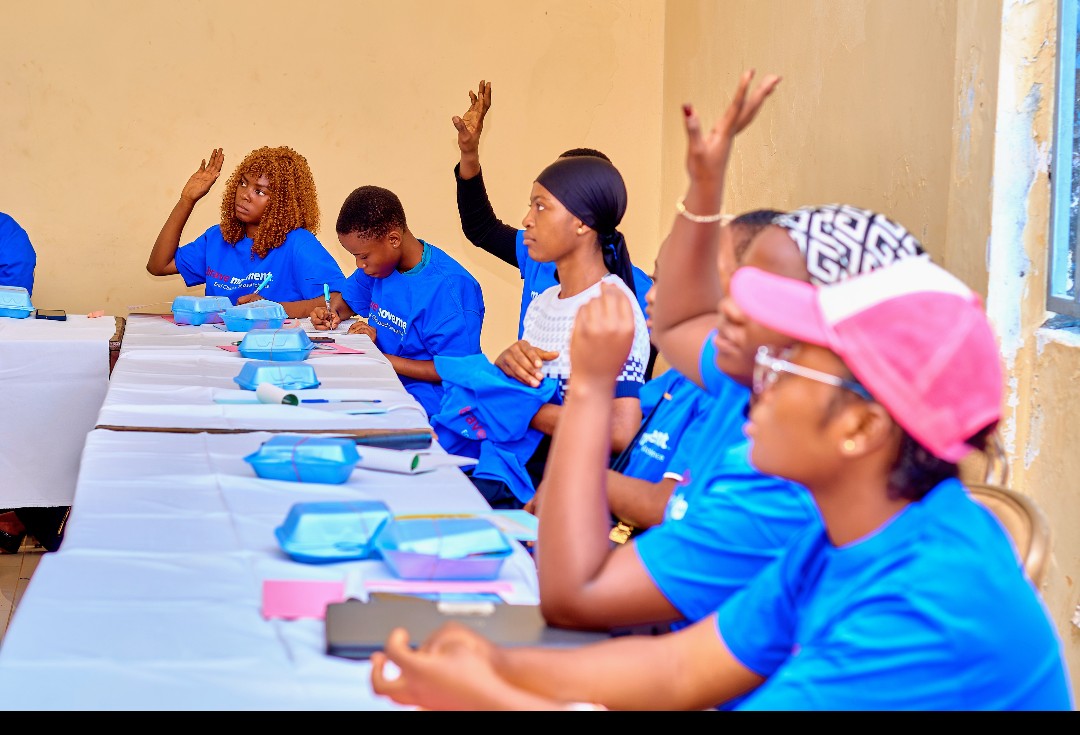
It is a small gathering by numbers. But organizers say the ripple effect is the point.
Why teenagers, why now
Cameroon's children are growing up in a digital world their parents often cannot follow into. A study by ECPAT International found that roughly a third of Cameroonian children had come across adult pornography online, and every single girl surveyed between ages 17 and 18 said she had seen pornographic images or videos on the internet. A similar share of children reported having seen sexual content involving other children their age or younger.
Researchers tracking the issue in Cameroon have also pointed to a generational gap in oversight: many parents simply do not have the technical know-how to monitor what their children do online, even as kids find ways to hide their activity from family members.
National figures on sexual violence against young people paint a grim backdrop. Cameroon's 2018 Demographic and Health Survey found that 7.7 percent of women between 15 and 19 had survived sexual violence. UNICEF describes violence against children as one of the most persistent problems facing the country today, noting that abuse most often happens in homes, schools and communities the very spaces now extending onto phones and social media.
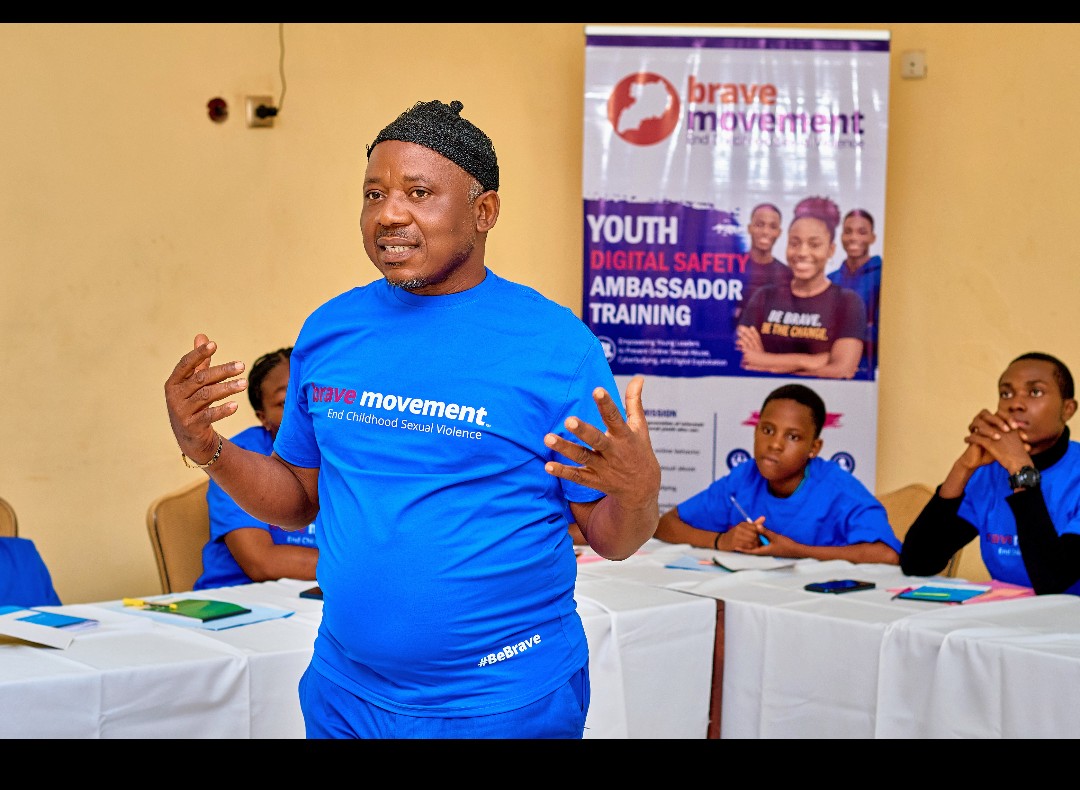
It is against this backdrop that Jamils Richard Achunji Anguaseh, coordinator of GLOWA, one of three organizations behind the training, explained the strategy of recruiting the very generation most exposed to risk to also lead the response. He said the training was designed to help young people understand online navigation and safety well enough to pass that knowledge on to their peers, describing the ambassadors as "pollinators" for a nationwide digital awareness campaign under Brave Movement Cameroon and allied child protection groups.
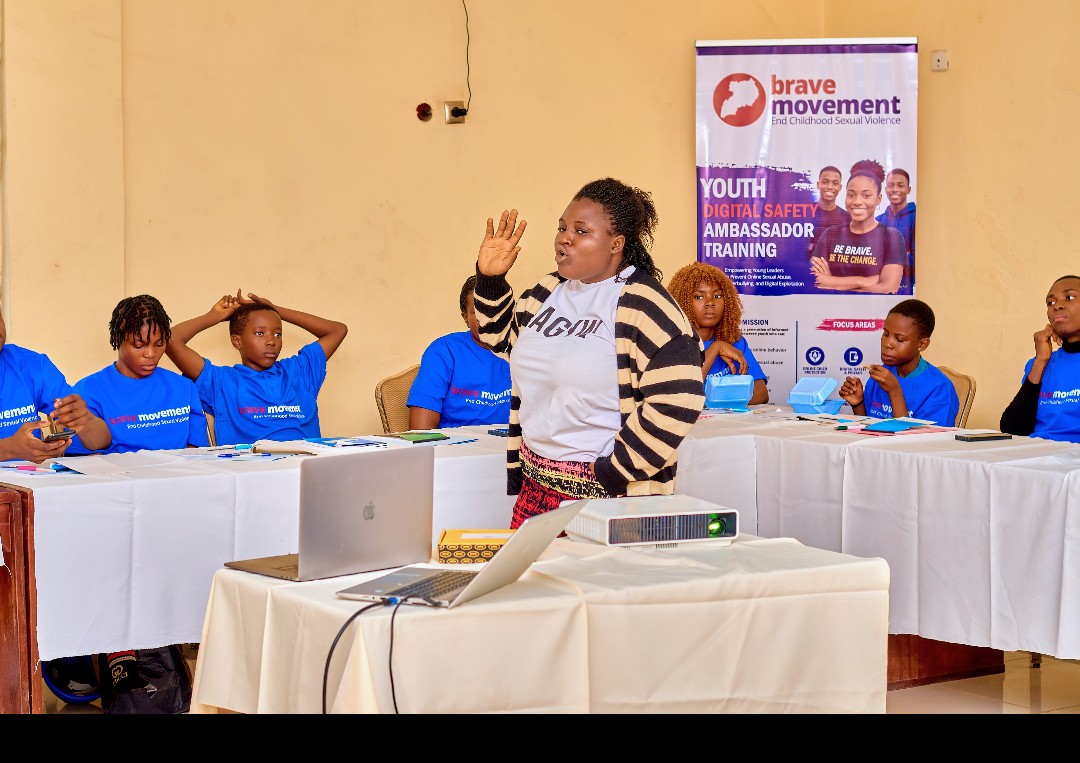
Asked why Gen Z specifically, Jamils Richard Achunji Anguaseh said this age group spends the most time online and is still in a formative stage of brain development, making them both the most exposed and the most receptive to new information and, crucially, the most likely to be believed by their own peers when passing on what they have learned.
Girls, safety and the case for early intervention
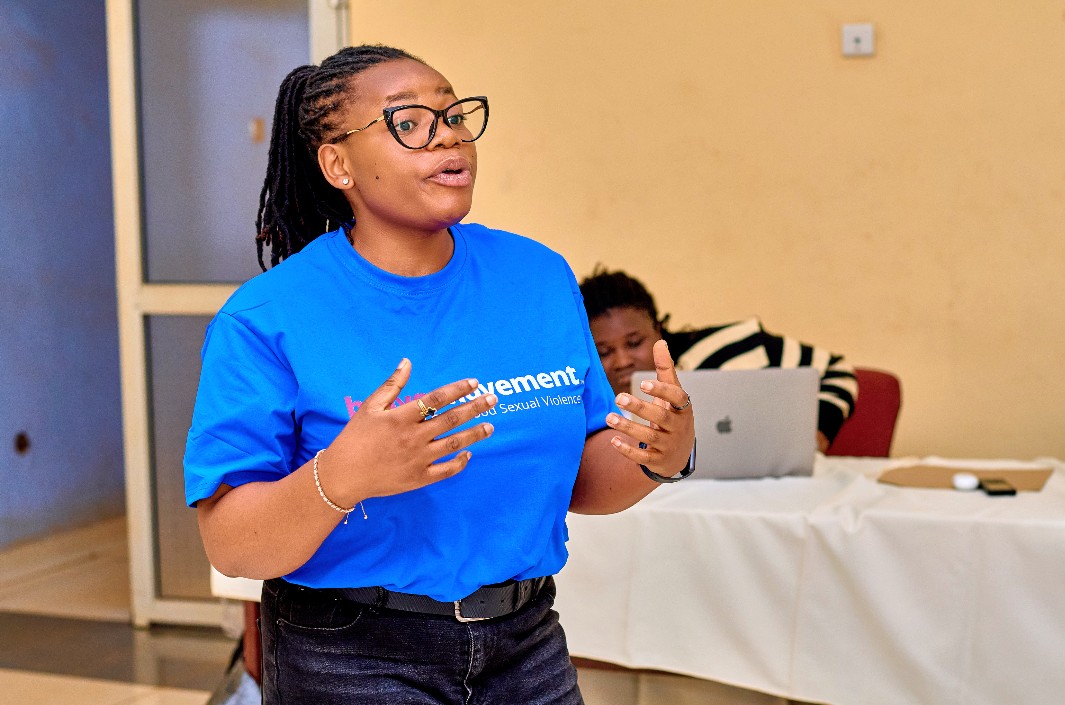
Ndum Charlotte Ayeah, representing the Association of Adolescent Girls and Young Women Cameroon, framed the choice of teenagers as deliberate rather than convenient. She said adolescence is when young people begin forming lasting habits and attitudes, and it is also when many start confronting questions about relationships, their bodies and personal safety often without accurate information or anyone they trust to turn to.
The goal, she said, is to give participants the confidence and practical skills to recognize when a situation online has turned unsafe, understand their rights, ask for help, and support friends who may be going through the same thing. She said as organizers they hope the teenagers will become ambassadors in their own right carrying conversations back into schools and communities, pushing back on harmful myths, and pointing peers toward support services that exist but are often unknown or out of reach.
What happens after the training ends
A one-day workshop is easy to organize and easy to forget. Brave Movement Cameroon says it is trying to avoid that trap.
Ndum Charlotte Ayeah said the organization does not see the July 4th session as a standalone event. Instead, it plans to stay connected to participants through youth networks, partner schools and community structures, offering ongoing mentorship and creating chances for the teenagers to take part in future campaigns .A way, she said, of checking whether the knowledge is actually being used and making sure support continues.
Jamils Richard laid out a more specific timeline. He noted that the current school holidays leave many teenagers with far more idle time and far more hours online which, he said, also means greater exposure to grooming, extortion and sexual exploitation. The newly trained ambassadors are expected to put their skills to use immediately, running community-level sessions and passing on what they have learned during the break. When schools reopen, Brave Movement and its partners plan to work directly with institutions that already have digital platforms in place, carrying the same conversations into classrooms and campuses from September onward.
Part of a wider push
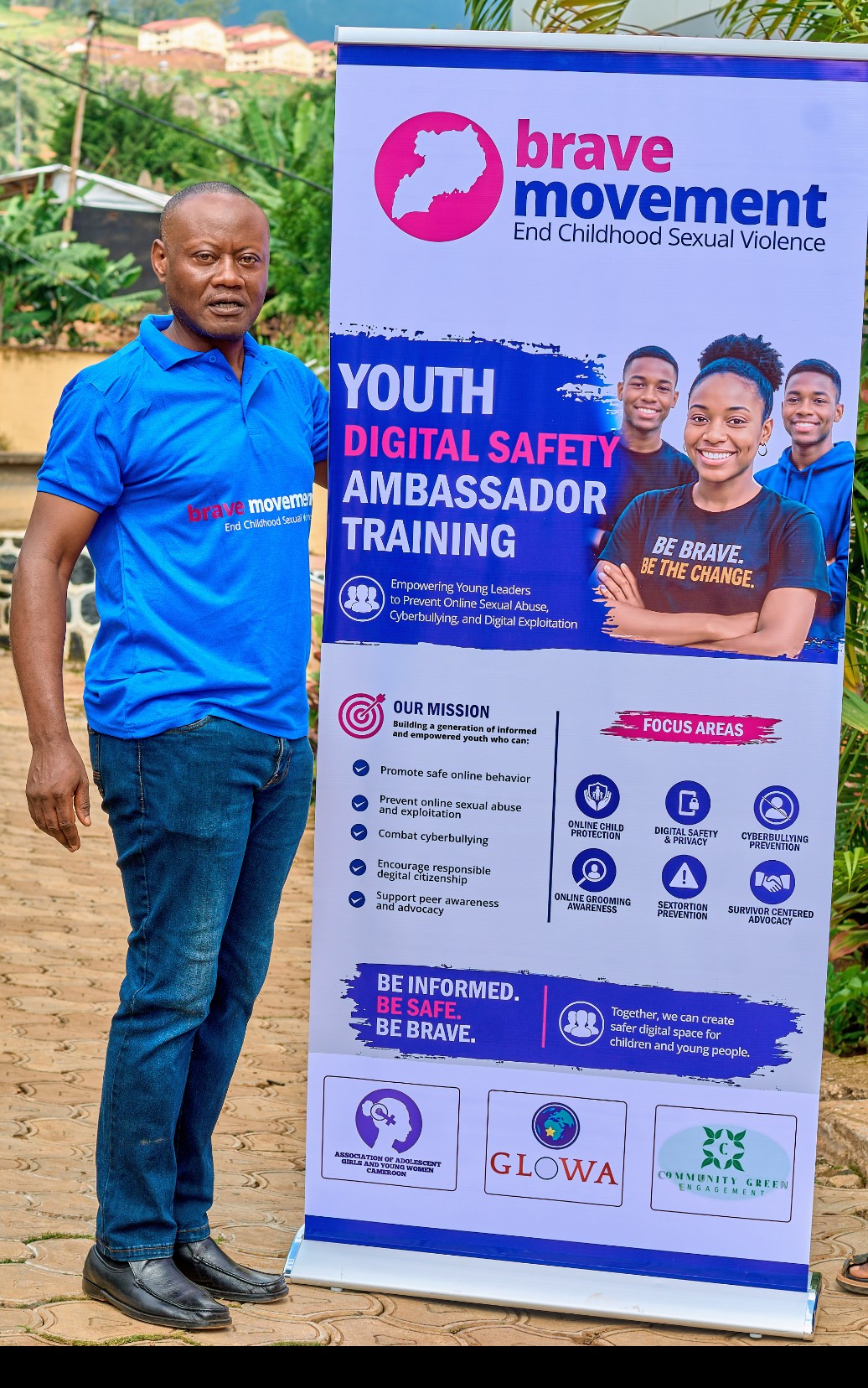
Alexander Gwanvalla briefed Cameroon Insight on Brave Movement Cameroon . According to him, it is the local chapter of a global, survivor-led movement working to end childhood sexual violence and strengthen how child protection systems respond to it. In Cameroon, the coalition brings together three organizations the Association of Adolescent Girls and Young Women Cameroon, GLOWA, and Community Green Engagement working alongside survivors, civil society groups and community leaders.
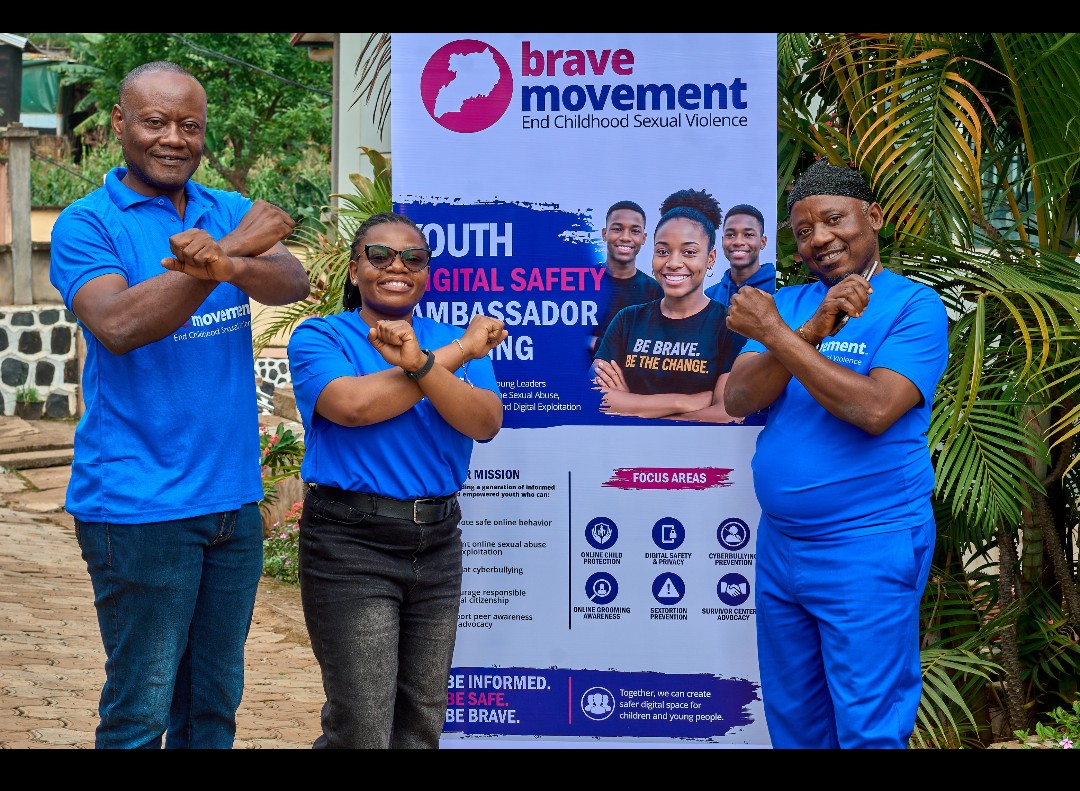
Ndum Charlotte Ayeah said the Bamenda training is one piece of a broader agenda that includes further community awareness campaigns, school outreach, dialogues with stakeholders, and capacity-building for both young people and caregivers, alongside advocacy work aimed at strengthening the systems meant to protect children. She said the coalition hopes to deepen partnerships with government institutions, healthcare providers, schools and community leaders toward what she described as a Cameroon where children can grow up safe, protected and free from violence.
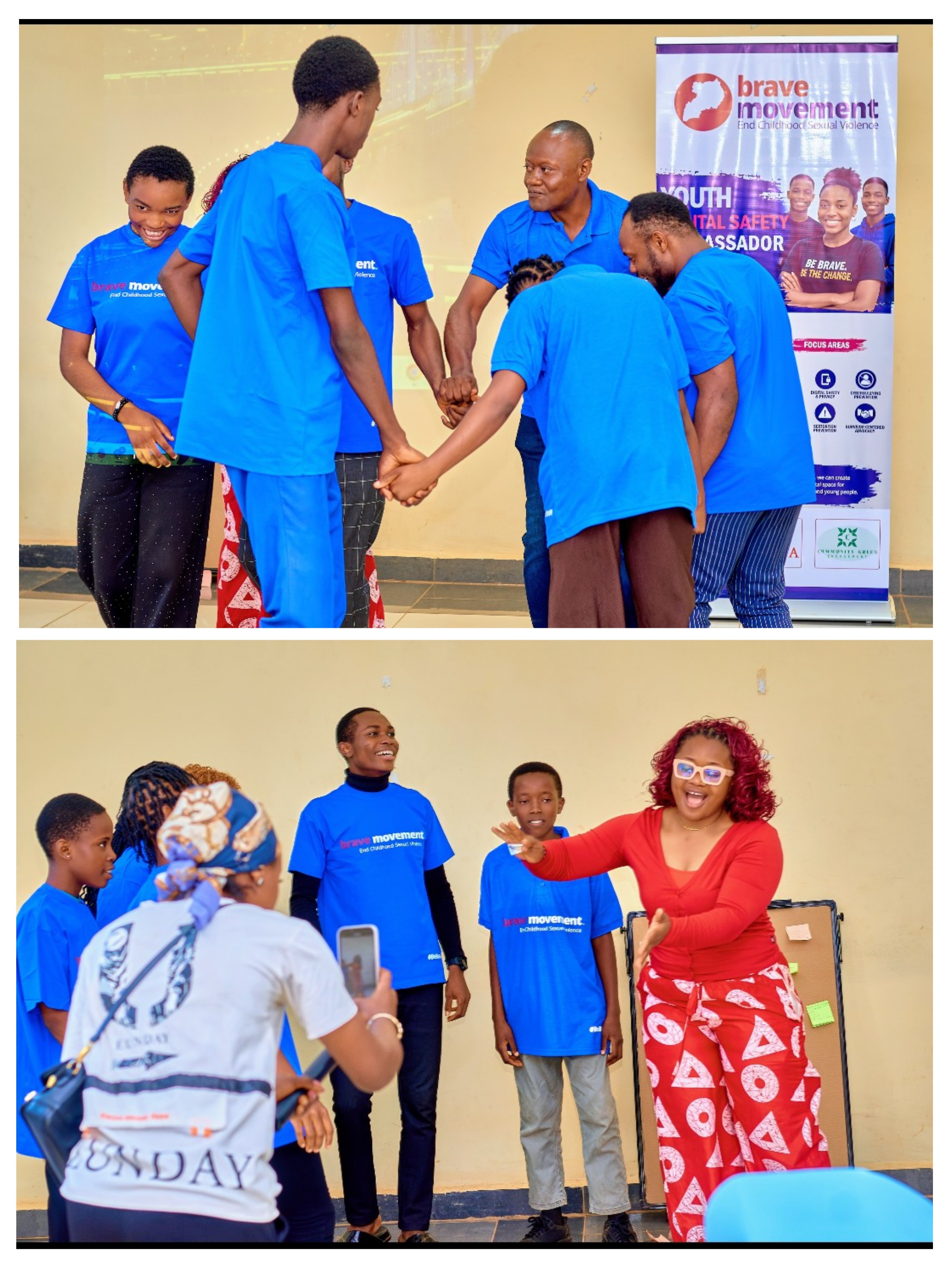
For now, that vision rests with a small group of teenagers in Bamenda, freshly trained and headed into a holiday season with a new job: watching out for their friends online, one conversation at a time.
Reporting from Bamenda, North West Region.
Bamenjo Petronilla
+237 671870116