Mungwin Matters: A Climate-Savvy Delicacy
Longhorn Grasshoppers
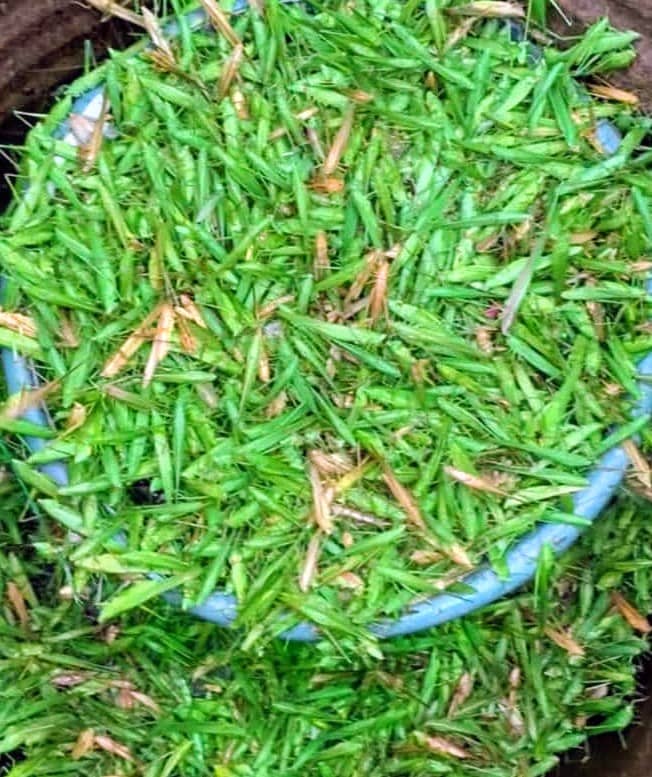
Edible insects, particularly "Mungwin" the longhorn grasshopper have been a staple in the diets of many across the globe for decades. In the Northwest Region of Cameroon, these seasonal insects herald the arrival of the Dry season. For many, Mungwin represents more than just a food source; it embodies cherished childhood memories. I fondly recall my days at STS Kumbo, sneaking out under the cover of darkness to attend morning mass, only to gather at Cathedral Kumbo with containers in hand, racing to collect as many grasshoppers as we could beneath the glowing bulbs. Similarly, my time at St. Augustine’s College Nso was marked by a passionate rush after preps to scoop up these crunchy treasures.
Back then, our homes would come alive with excitement as the aroma of roasting Mungwin filled the air. It was a euphoric experience, transforming the act of foraging into a delightful protein-rich bounty.


Today, this activity has transcended local bounds, especially as Bamenda, a bustling city, hosts an even larger demand for Mungwin. Innovative catching methods have emerged, featuring white fluorescent bulbs mounted on poles, flanked by sheets of zinc. The grasshoppers are attracted to the bulbs, often landing on the zinc sheets, which slope down into drums or basins below. This nighttime catch-and-collect practice has evolved into a lucrative market, with families in Bamenda reportedly earning millions of FCFA from harvesting and selling Mungwin. A well-prepared 1.5L container can fetch up to 5,000 FCFA a price that reflects the delicacy's savory delight.
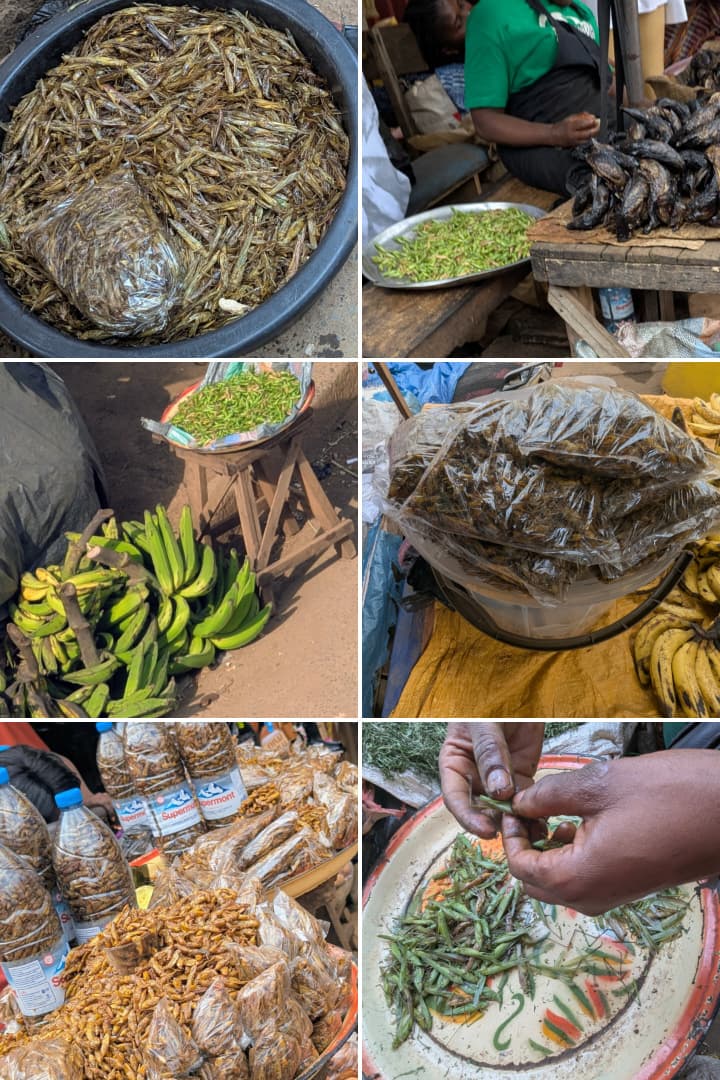
Researching further, I discovered the multifaceted benefits of Mungwin. This insect not only bolsters the local economy but also serves as a highly nutritious food source. According to the National Institutes of Health, grasshoppers are hailed as a sustainable protein option, boasting about 20 times the efficiency of beef in terms of greenhouse gas emissions, water use, and land requirements.
Economic Embrace
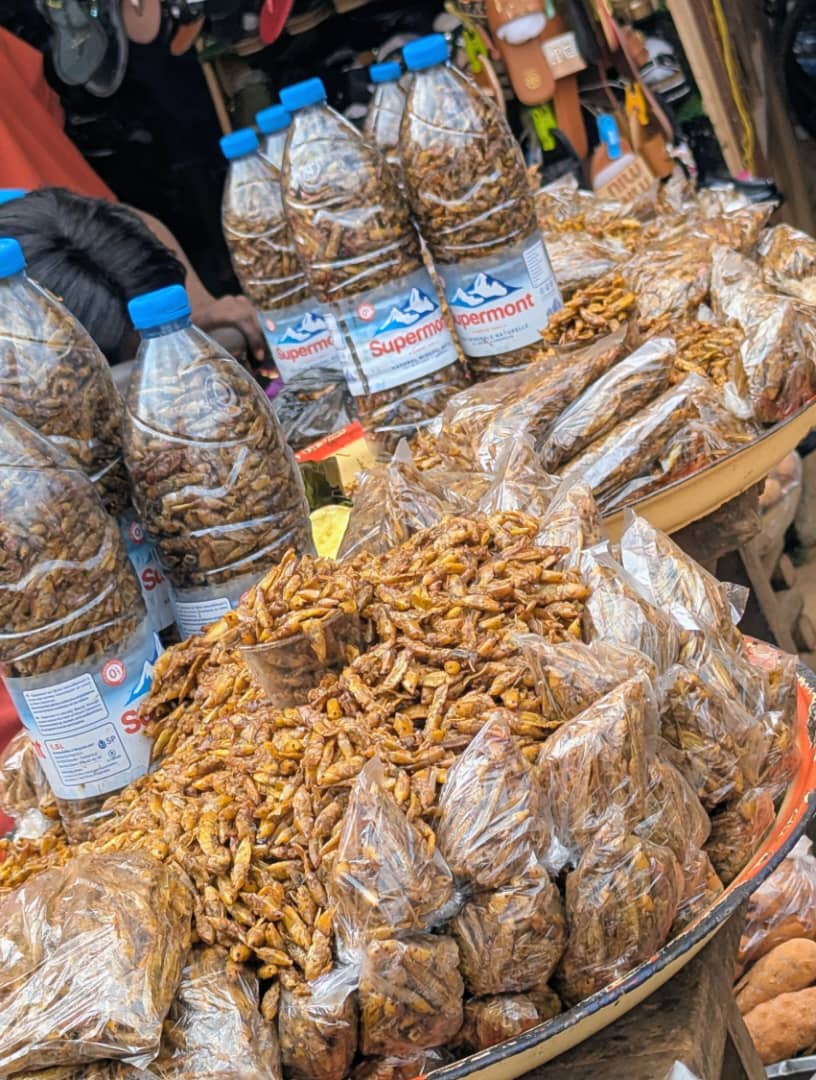
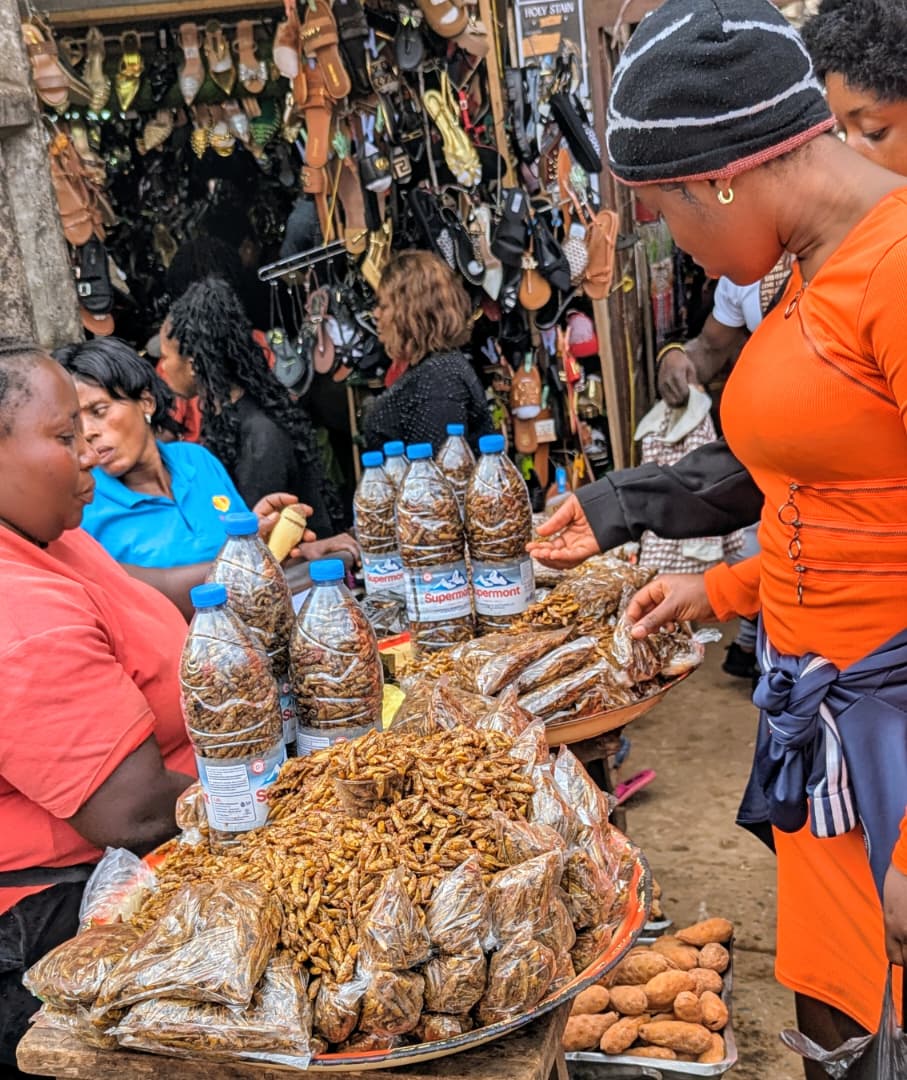
Speaking with a long-time vendor at Bamenda's main market, she reflected, "I don’t play with this business. Whenever Mungwin season begins, I dive right in. I have a steady stream of customers, and this venture supports my family." Some of her clients order the delicacy to send to relatives abroad, underscoring the grasshopper's role as a financial lifeline. Youths in the area also hawk Mungwin, using their earnings to cover personal expenses and education.
Health Benefits
1.Easily Digestible: Mungwin are gentle on the gut and can aid metabolism. According to a study by the Food and Agriculture Organization (FAO), insects, including grasshoppers, are easier to digest than conventional protein sources, making them especially beneficial for growing children who require easily assimilable nutrients.
2. Protein-Rich: Grasshoppers are rich in high-quality protein, containing all essential amino acids. The FAO reports that the protein content in grasshoppers can exceed 60% of their dry weight, contributing significantly to muscle development and repair.
3.Healthy Fats: Grasshoppers are high in unsaturated fats like omega-3 and omega-6 fatty acids. Research published in the Journal of Insects as Food and Feed indicates that these fats help promote heart health and reduce inflammation.
4.Mineral Source: Grasshoppers are abundant in critical minerals such as iron, zinc, calcium, and magnesium. The FAO states that these micronutrients are essential for various bodily functions, including immune response and bone health.
5. Antioxidants: Research suggests that grasshoppers contain antioxidants that protect the body from oxidative stress. A study in Nutrients emphasizes how antioxidants can reduce the risk of chronic diseases.
6. Gut Health Support: The chitin in grasshoppers serves as a prebiotic, nourishing beneficial gut bacteria and aiding digestion. Data from the International Journal of Food Sciences and Nutrition highlights the role of dietary fiber present in chitin in maintaining gut health.
7.Weight Management: The protein content in grasshoppers promotes satiety, potentially assisting in calorie control. A report from the Harvard T.H. Chan School of Public Health indicates that high-protein diets can help in weight loss and maintenance.
Environmental Advantages
1.Minimal Greenhouse Gas Emissions: Grasshoppers emit significantly fewer greenhouse gases compared to conventional livestock. According to the FAO, insect farming can reduce greenhouse gas emissions by up to 50 times when compared to cattle farming.
2. Efficient Feed Conversion: Grasshoppers convert feed into body mass more effectively than traditional livestock. A report from the World Economic Forum states that insects require significantly less feed (about 1.7 kg of feed for 1 kg of insect protein) compared to cattle, which requires about 8 kg.
3. Sustainable Land and Water Use: Grasshopper farming requires considerably less land and water. A study by the FAO indicates that producing 1 kg of grasshoppers needs only 1 square meter of land and a fraction of the water compared to traditional livestock.
4.Waste Utilization: Grasshoppers can convert organic waste into valuable biomass, contributing to a circular economy. The Insect Production and Trade Associations highlight that using organic waste for insect farming reduces waste and contributes to sustainable production systems.
Interestingly, longhorn grasshoppers are enjoyed in various countries, including Zambia, Kenya, Uganda, and Tanzania, suggesting that exporting them could be a viable venture. A friend in France even shared her quest for Mungwin, finding only a different species in an African shop after seeing enticing photographs online.
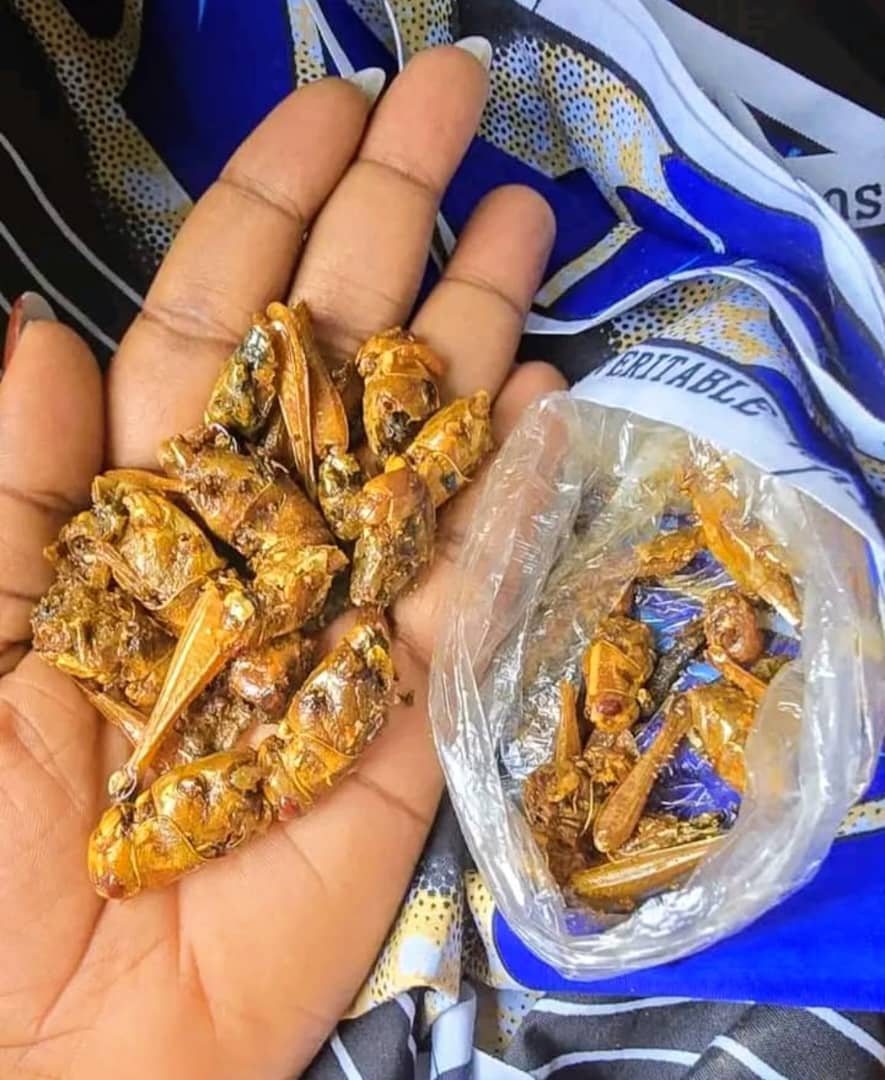
Some argue that consuming insects may be even more sustainable than a vegan diet, as many insects are unintentionally killed during vegetable farming. Rather than discarding them, they could serve as a viable food source.
Mungwin transcends mere economic contribution or nutritional value; it offers a sustainable alternative to traditional protein sources. By embracing this extraordinary insect, we not only celebrate our culinary heritage but also take a step toward reducing our carbon footprint, showcasing Mungwin as a reliable, eco-friendly protein solution worthy of promotion and preservation.
By Bamenjo Petronilla
Sources
- Food and Agriculture Organization (FAO)
- Journal of Insects as Food and Feed
- Nutrients Journal
- International Journal of Food Sciences and Nutrition
- Harvard T.H. Chan School of Public Health
- World Economic Forum
- International Journal of Food Science and Technology