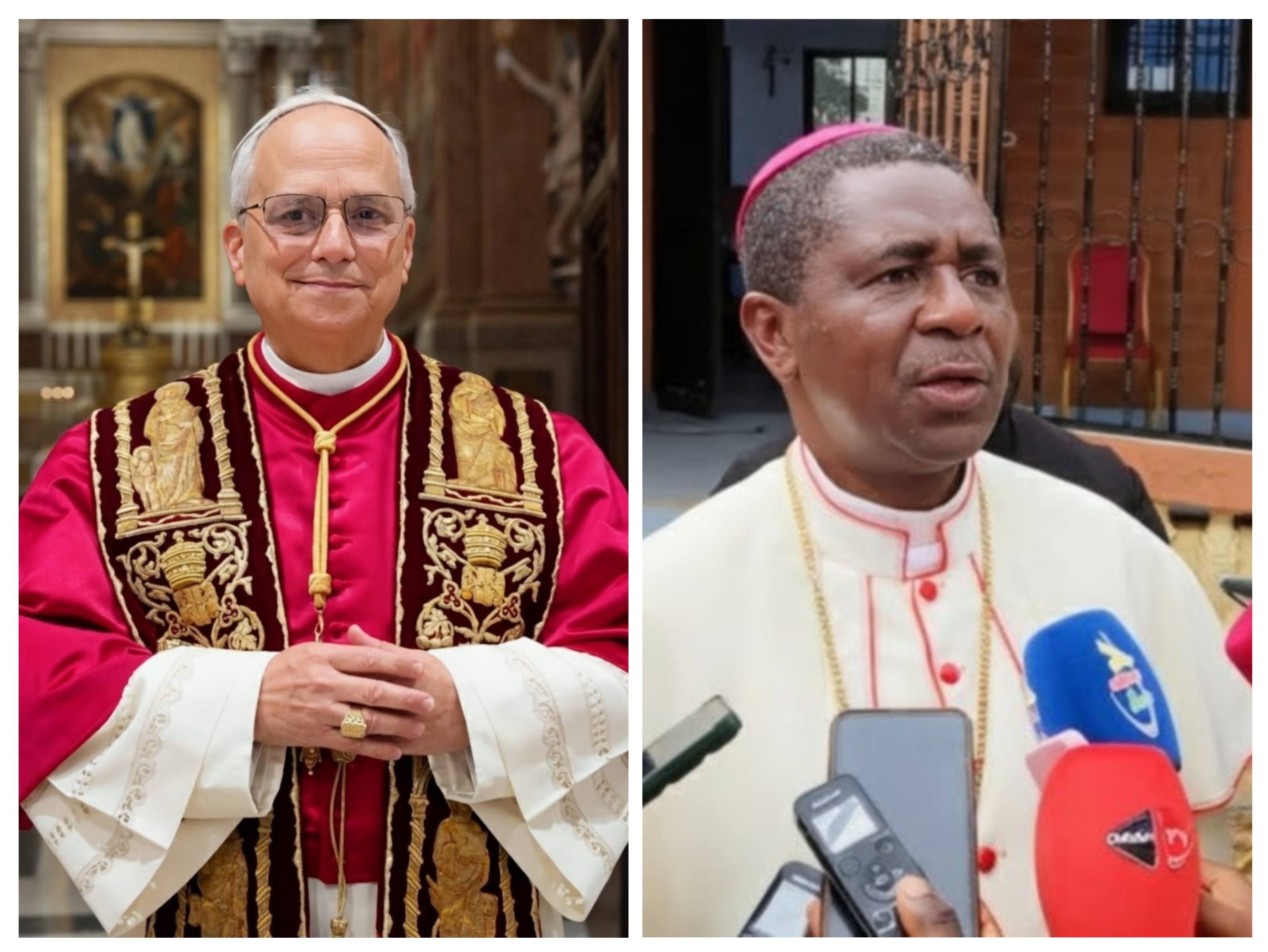
THE MOST COMPLICATED VISIT OF THE POPE
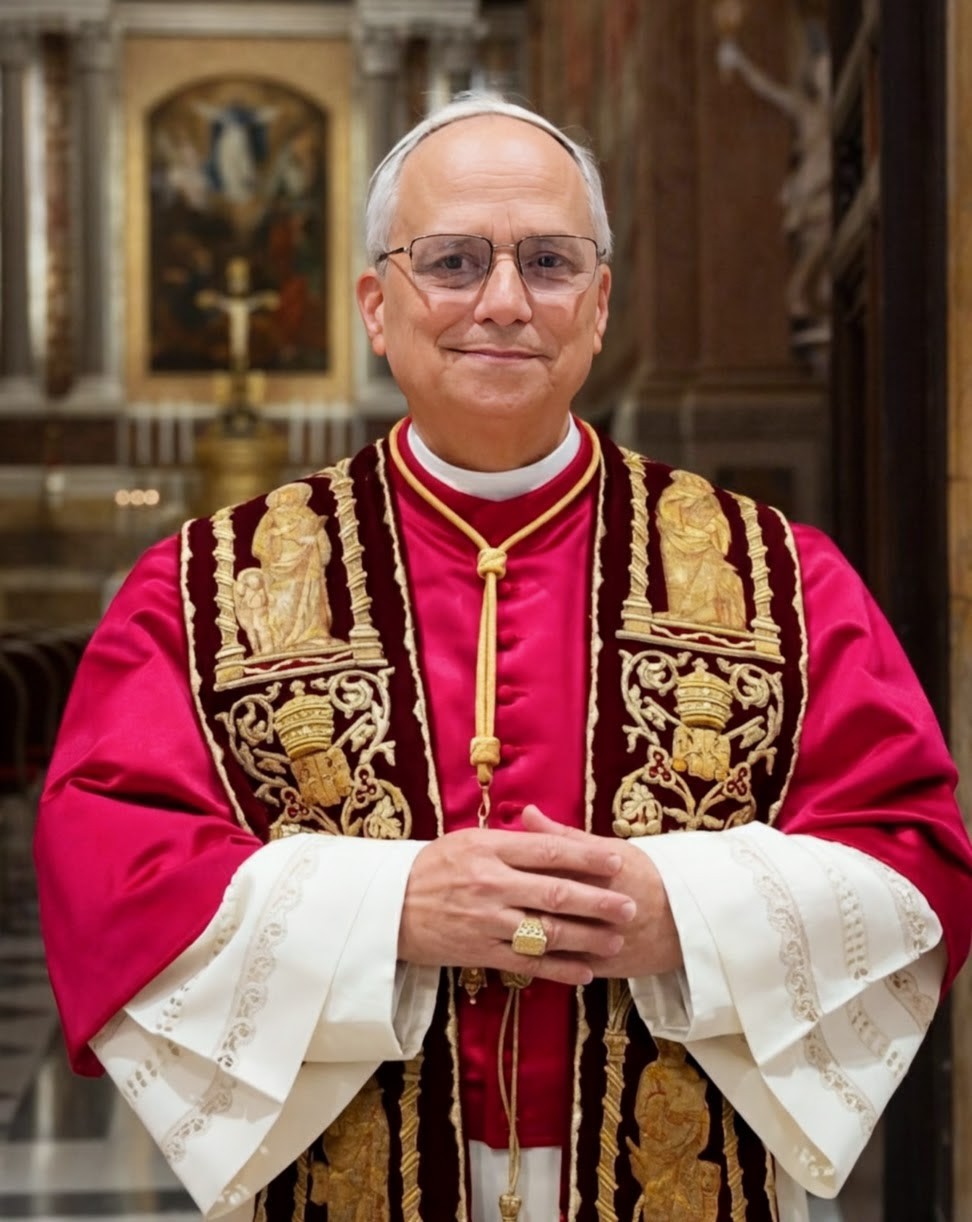
When Pope Leo XIV lands in Cameroon on April 15, 2026, he will be stepping into one of the most delicate diplomatic and pastoral situations of any pontiff in recent memory. The visit, a three-night stay spanning Yaoundé, Bamenda, and Douala carries the weight of a Church seeking unity, and a world watching to see whether a shepherd's presence can do what years of politics could not.
It is a visit that almost did not happen. It was secured not through grand diplomatic channels, but through a hand-delivered letter, quiet negotiations at a presidential palace, and the quiet determination of one Archbishop carrying an invitation across the Atlantic.
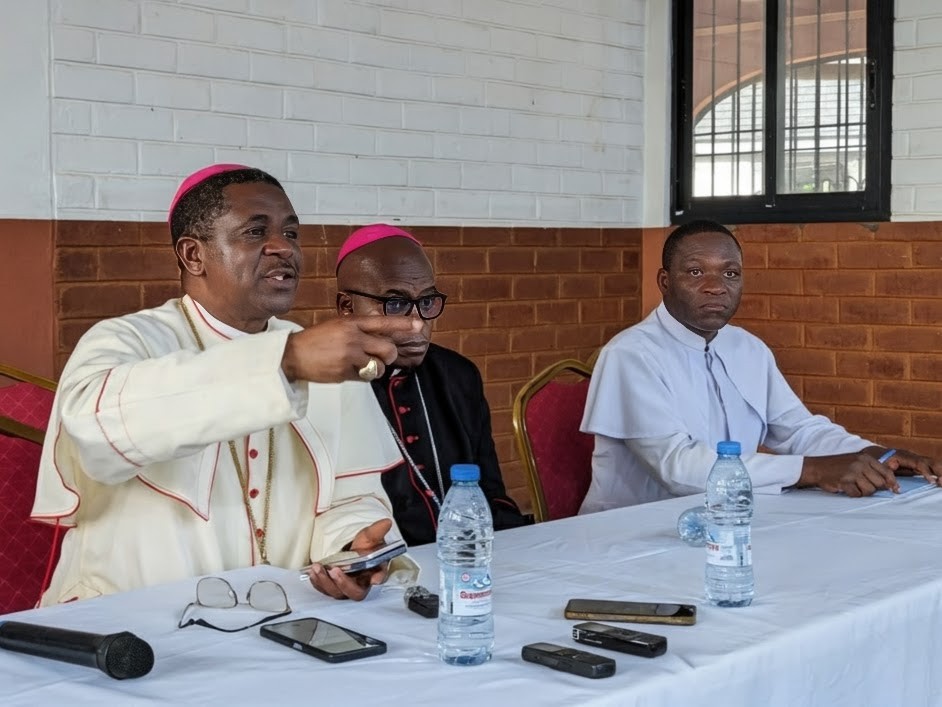
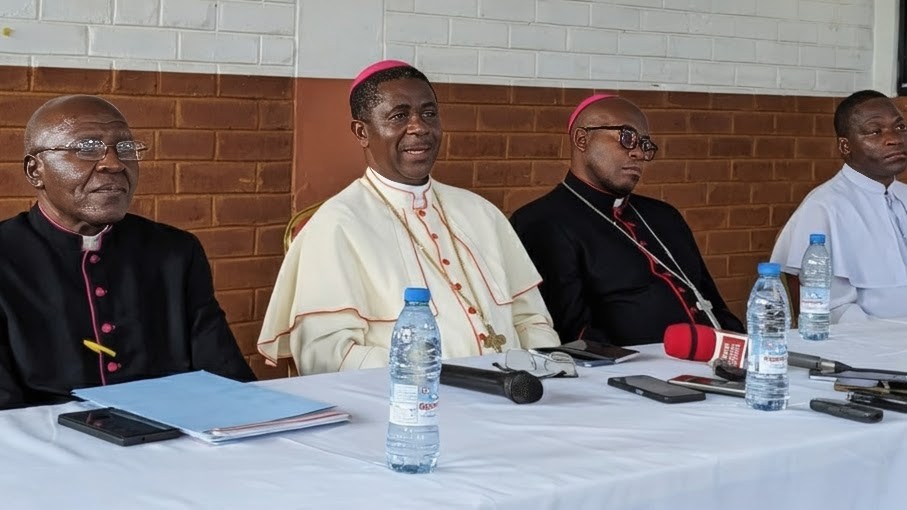
His Grace Andrew Nkea, head of the Ecclesiastical Province of Bamenda and President of the National Episcopal Conference of Cameroon. In a press conference held in Bamenda ahead of the papal visit offered a rare behind-the-scenes account of how one of the most anticipated religious events in Cameroon's history was set in motion .
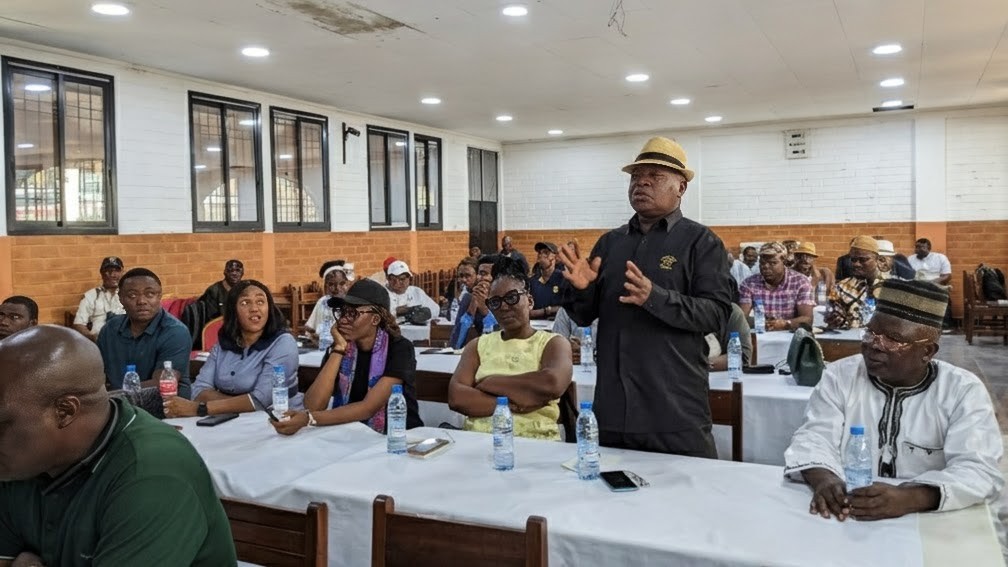
TWO LETTERS AND A DREAM
The story begins in May 2025, in Rome. Pope Leo XIV elected on May 8, 2025 had just been installed as the 267th Bishop of Rome, the leader of 1.4 billion Catholics worldwide. Archbishop Nkea was among the dignitaries gathered for the historic occasion. He did not arrive empty-handed.
"When I was going to attend the installation of the new Pope, I carried two letters with me, signed by me. The first letter was a letter of congratulation to Pope Leo the 14th on his election and installation. The second letter was a letter of invitation to the Pope to come to Cameroon because many Cameroonians would have loved to attend his installation, but it was practically impossible. And so the Church of Cameroon would be willing to receive the Holy Father in this country."
The invitation was extended on the very day of the Pope's installation. But Vatican protocol required more than the Church's welcome, the head of state must also formally invite the Pope before any apostolic journey is confirmed. This sent Archbishop Nkea on a second, less glamorous mission: convincing the Cameroonian state to extend its own invitation.
"For a Pope to visit any country in the world, he must have two invitations. The Church of that country, that is the National Episcopal Conference must invite the Pope. And secondly, the State must also invite the Pope. If you saw some of us hanging around the presidency sometime back, it was to negotiate to get a letter of invitation."
That negotiation bore fruit. In February 2026, President Paul Biya formally invited the Pope. The Vatican then announced the full African itinerary: a sweeping 10 day, four country journey covering Algeria, Cameroon, Angola, and Equatorial Guinea, April 13–23, 2026.
WHY CAMEROON? WHY NOW?
Even for those who had hoped and prayed for it, the announcement came as a surprise. Archbishop Nkea did not shy away from the mystery of it.
"It is God. But nobody understands why the Pope is coming to Cameroon. The Vatican put out feelers about the Pope's first visit to Africa. None of us were expecting it. And he has chosen Cameroon as one of the places he wants to come first."
Context offers some answers. This year marks the 60th anniversary of official diplomatic relations between the Holy See and Cameroon. Leo XIV will be only the third reigning Pope to visit the country, following John Paul II in 1985 and 1995, and Benedict XVI in 2009.
A CITY IN THE EYE OF THE STORM
To understand why Bamenda matters so much, one must understand the wound Cameroon has been carrying for nearly a decade. What began in 2016 as peaceful strikes by Anglophone lawyers and teachers protesting the marginalisation of English speaking Cameroonians has grown into a full blown armed conflict. The human cost is staggering: over 6,500 lives lost, more than 1.1 million people displaced, and 1.5 million still in need of humanitarian assistance.
Bamenda sits at the very heart of this crisis. It is the capital of the Northwest Region one of the two Anglophone regions where violence has been most concentrated. Schools have been burned. Hospitals attacked. Entire communities shut down
And yet, it is into this city that Pope Leo XIV is choosing to walk.
THE THEME: "MAY THEY ALL BE ONE"
The national theme for the papal visit drawn from the personal prayer of Jesus Christ in the Gospel of John was not chosen casually. Archbishop Nkea explained:
"This theme was chosen in the backdrop of political disturbances, ethnic divisions, the spread of hate language, and the things that are going on in the regions around this country. We turned to the Scriptures, to the personal prayer of Christ: 'May they all be one.' This oneness has nothing to do with politics. This oneness has to do with the human person with the Church of Christ and the creatures of God. Love one another."
For Bamenda specifically, a second scripture serves as the touchstone John 14:27: "My peace I give you; my peace I leave you."
In a city where peace has been elusive for nearly a decade, the choice is not rhetorical. It is a prayer.
WHO WILL BE IN THE ROOM
The centrepiece of the Bamenda visit is a "Meeting for Peace" at Saint Joseph's Metropolitan Cathedral on April 16. Archbishop Nkea described who will be in that room:
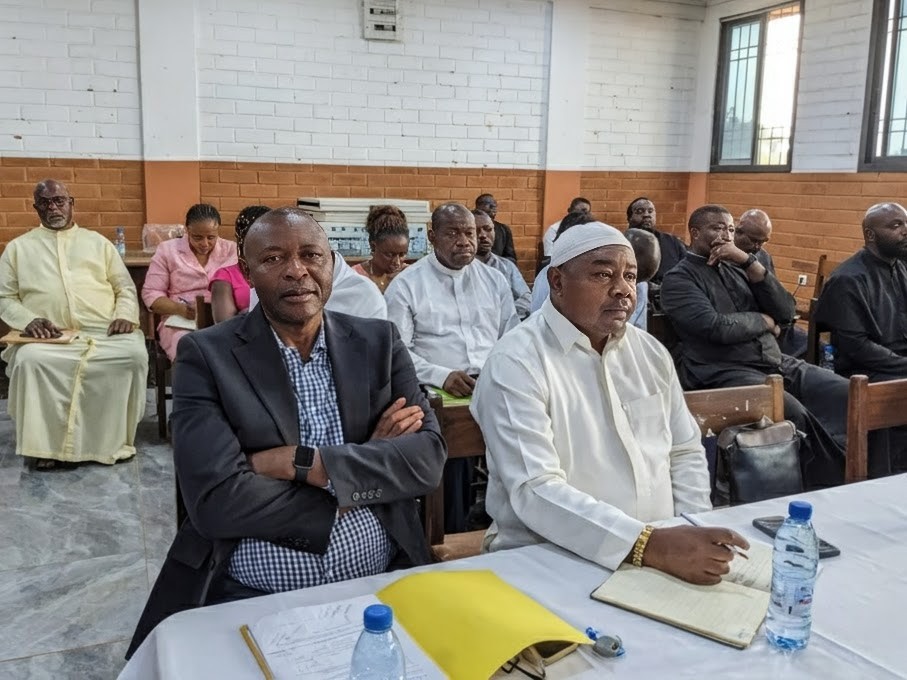
"He will meet with traditional rulers from the Northwest and the Southwest. He is going to meet with members of civil society, with the elites of the Northwest region, with members of the Islamic and Protestant communities, and with a great section of the Catholic community. There will be some internally displaced persons in the hall. And members of civil authorities will also be there."
The composition is itself a statement Catholics, Muslims, Protestants, traditional rulers, civil society, and displaced civilians gathered together under one roof.
"EVERYONE HAS SOMETHING TO TELL THE POPE TO SAY"
Perhaps the most striking moment of the press conference came not in any grand announcement, but in a quiet lament. Archbishop Nkea observed that nearly everyone wanted to use the Pope's visit as a platform for their own message political actors, separatist sympathisers, government supporters, community leaders, all eager to channel the moral weight of the papacy toward their own agenda.
His response was simple: "Be open to listen instead."
It is a posture that speaks to something deeper than logistics. The power of a papal visit to a conflict zone lies not in the Pope delivering someone else's talking points, but in his presence itself in what it means to have the world's most recognisable moral figure choose to stand with you, in your suffering, in your city, when the world has largely looked away.
WHAT THE VISIT COULD MEAN
Archbishop Nkea spoke of two kinds of impact: spiritual and material. Spiritually, the visit promises a profound upliftment to a community that has endured years of trauma and fear. Materially, the Archbishop noted that Cameroonian culture has its own logic you always do your best when receiving a guest. Infrastructure is being attended to. Spaces are being prepared.
Whether it leads to lasting peace is a question no bishop will answer with certainty. When Pope Leo XIV bows his head in prayer at Bamenda Airport on April 16, he will be doing what pastors have done since the beginning: going to the broken places. Not with answers, but with presence. Not with politics, but with peace.
Whether that is enough whether one man's prayer in a wounded city can crack open a conflict the world barely noticed only time will answer. But for the people of Bamenda, who have waited and suffered through years of that invisible war, the answer is already written on their faces.
The Pope is coming. And that, for now, is enough.
By Bamenjo Petronilla
+237 671870116